If you want to sell your home in Naperville’s 60540 area or the western suburbs, a strong result usually starts before your home hits the market. With current local data showing active inventory, market times measured in weeks, and sale-to-list ratios that still reward well-prepared listings, your plan matters. The good news is that when you break the process into clear steps, it becomes much easier to manage with confidence. Let’s dive in.
Understand Today’s Western Suburbs Market
If you are selling in 60540 or nearby DuPage County, you are entering a market that remains active, but not careless. Realtor.com’s 60540 market snapshot shows a median home sale price around $735,000, 82 homes for sale, and a year-over-year increase in median days on market.
At the county level, DuPage County market data shows about 2,200 homes for sale, a median sale price of $449,900, a median of 25 days on market, and a 99% sale-to-list ratio. MRED’s February 2026 Naperville report, as summarized in the research, shows detached homes with a $687,500 monthly median sale price, a $699,000 trailing-12-month median, 35 days average market time, and 99.4% of original list price received.
What does that mean for you? It means buyers are still purchasing, but pricing, condition, and presentation need to be aligned from the start. In a market where homes often take a few weeks rather than a few days, preparation can shape your outcome.
Step 1: Start With a Pre-Listing Review
Before you think about photos or showings, take a close look at your home as a product entering the market. This is the stage where you identify repairs, gather documents, and make decisions early instead of scrambling once a buyer is involved.
According to the National Association of Realtors consumer guide, a pre-sale inspection is not required, but it can uncover concerns with the roof, structure, plumbing, electrical, HVAC, insulation, fireplaces, and possible environmental issues such as mold, radon, lead paint, or asbestos. Even if you choose not to complete every repair, knowing about issues upfront helps you price and negotiate more clearly.
You should also gather paperwork for any systems or appliances staying with the home. Warranties, manuals, guarantees, and service records can be helpful later in the transaction and make the closing process smoother.
What to review before listing
- Roof, gutters, and exterior condition
- Plumbing and electrical systems
- HVAC performance and maintenance history
- Windows, doors, and visible wear
- Appliance manuals and warranties
- Records for repairs, updates, or replacements
Step 2: Handle Disclosures Early
One of the most important parts of your selling plan in Illinois is disclosure timing. This is not something to save until after you receive an offer.
Under Illinois law, sellers generally must provide the Residential Real Property Disclosure Report before the contract is signed. The law is designed to inform buyers of material defects, and if you become aware of an error or omission before closing, you must supplement the report.
If your home was built before 1978, there may also be federal lead-based paint requirements. The EPA’s seller guidance says sellers of most pre-1978 housing must disclose known lead-based paint hazards, provide the EPA pamphlet, include a Lead Warning Statement, retain signed acknowledgments for three years, and allow buyers a 10-day opportunity to test for lead.
Illinois also has radon disclosure rules. If you are aware of unsafe radon concentrations, that must be disclosed, and the required state radon pamphlet and disclosure form must be provided. The rules do not require testing or remediation, but they do require disclosure when applicable.
Step 3: Make Smart Repairs and Prep Decisions
Not every home needs a full renovation before listing. In many cases, the best return comes from targeted improvements that help your home show as clean, cared for, and move-in ready.
If an inspection or your own review uncovers a major issue, get repair estimates before listing. Even if you decide to sell as-is, cost information helps you evaluate pricing and buyer requests more strategically. Illinois disclosure requirements still apply even when you sell as-is.
Your goal here is not perfection. Your goal is to remove avoidable distractions that could cause hesitation, reduce offers, or slow your sale.
Focus on improvements that support buyer confidence
- Fix obvious maintenance issues
- Replace burned-out bulbs and improve lighting
- Touch up paint where needed
- Deep clean floors, walls, carpets, and windows
- Address exterior items that affect first impressions
Step 4: Prioritize Staging and Curb Appeal
Presentation matters because it affects both buyer interest and the strength of your launch. NAR defines staging as cleaning and temporarily furnishing a home so buyers can picture themselves living there.
In the 2025 Profile of Home Staging, 29% of agents said staging increased the dollar value offered by 1% to 10%, and 49% said it reduced time on market. The rooms most often staged were the living room, primary bedroom, and dining room.
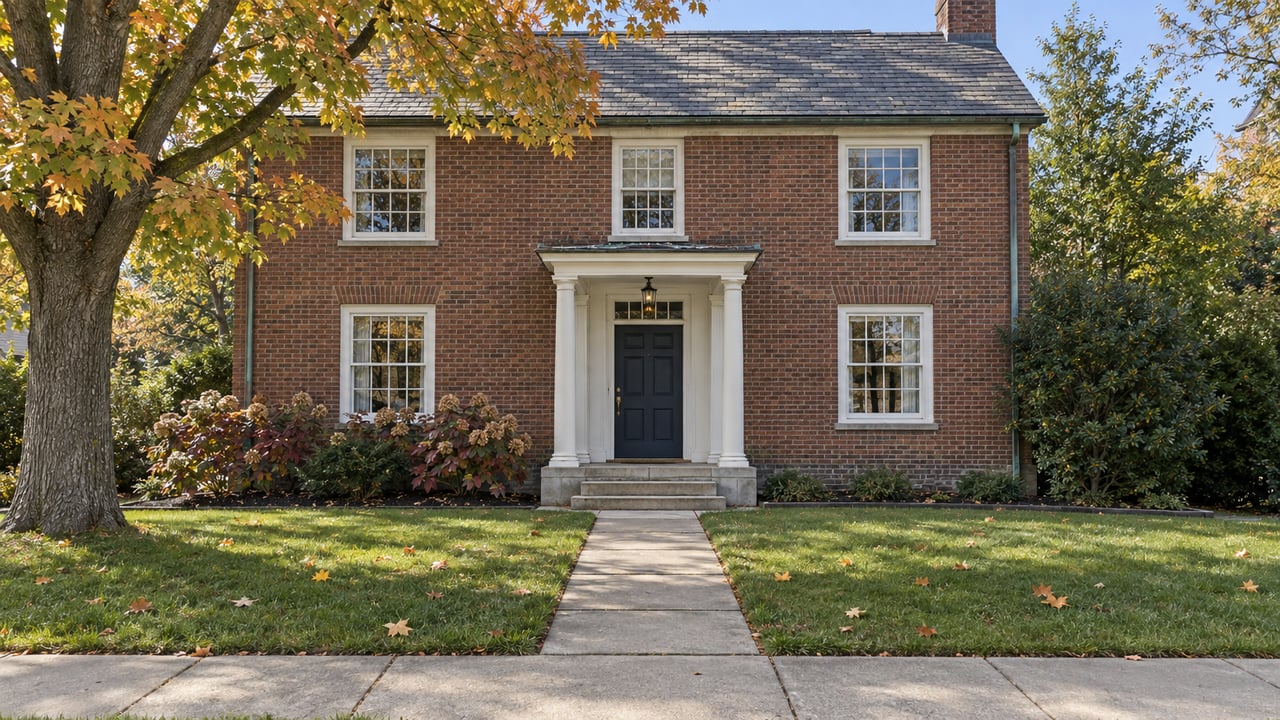
NAR also notes that cleaning windows, carpets, lighting fixtures, and walls, along with improving curb appeal, can strengthen listing photos. That is important because your online presentation often shapes whether a buyer schedules a showing.
Best places to focus your effort
- Living room
- Primary bedroom
- Dining area
- Front entry
- Landscaping and exterior touch-ups
- Bright, clean, uncluttered surfaces for photos
Step 5: Price for the Market You Have
Many sellers start with a number based on what they hope to net. A better approach is to build your list price around current competition, recent comparable sales, and your home’s condition and presentation.
In DuPage County and Naperville, current data points to a market where the initial launch window matters. With market times measured in weeks and sale-to-list ratios near 99%, a well-positioned listing can still perform very well, but an unrealistic starting price may cost you momentum.
That is why pricing is not separate from prep. If your home is clean, staged, documented, and ready for buyers, you support stronger positioning from day one.
Step 6: Treat Launch Like an Event
Your listing launch should feel coordinated, not pieced together. The strongest rollout combines preparation, visuals, scheduling, and responsiveness into one plan.
Based on the research, this includes photography, staging, curb appeal, listing copy, showing availability, and quick follow-up. NAR’s guidance supports a simple truth: presentation is not just cosmetic. It can directly influence perceived value and time on market.
For western suburban sellers, this matters because your first few weeks are likely to be your most important period of buyer attention. You want your home to be ready when that attention arrives.
A strong launch plan includes
- Final cleaning and staging
- Professional-quality imagery
- Clear listing copy
- Flexible showing access when possible
- Fast response to buyer interest and questions
Step 7: Prepare for Offers and Negotiation
Once showings begin, your plan shifts from presentation to decision-making. At this stage, it helps to know in advance how you want to evaluate offers.
Price is important, but it is not the only factor. Financing type, contingencies, requested credits, timing, and repair expectations can all affect your net result and stress level.
A thoughtful review process helps you compare the full picture rather than reacting only to the highest number. In a market where well-prepared homes can attract serious interest, negotiation often comes down to clarity and timing.
Step 8: Know What Happens After You Accept
After you accept an offer, the transaction moves into escrow. According to NAR’s escrow overview, earnest money is deposited after the purchase agreement is signed, the lender arranges an appraisal if the buyer is financing, a title search confirms ownership and checks for claims, the buyer completes a final walkthrough, and the remaining funds are released at closing.
The Consumer Financial Protection Bureau guidance referenced in the research also notes that seller credits and prepaid items appear on the Closing Disclosure, and lenders generally provide that disclosure three business days before closing. This period is often where deadlines stack up, so organization matters.
In Illinois, closing also includes transfer-tax paperwork. The Illinois Department of Revenue says Form PTAX-203 must be filed with the deed or trust document at the county recorder’s office, and MyDec may be used for electronic transfer tax declarations and stamp processing where applicable.
Step 9: Build a Timeline That Reduces Stress
A step-by-step sale usually works best when you map out the process in sequence. That keeps you from making rushed decisions and helps you stay ahead of paperwork, repairs, and showing logistics.
Here is a simple way to think about your timeline:
- Review condition and gather records
- Complete disclosures early
- Decide on repairs and prep work
- Clean, stage, and improve curb appeal
- Set a market-based list price
- Launch with photos and showing readiness
- Review offers and negotiate terms
- Move through escrow, appraisal, title, and closing
If you are planning a move within Chicagoland or coordinating a sale from out of state, having one experienced point of contact can make each of these steps simpler and more manageable.
Selling in the western suburbs does not have to feel overwhelming. With the right sequence, clear expectations, and thoughtful preparation, you can enter the market with a stronger position and a smoother path from listing to closing. If you are thinking about your next move, connect with Christopher Demos for a personalized, high-touch selling strategy built around your timeline and goals.
FAQs
Do I need a pre-sale inspection before selling in Naperville or 60540?
- No, a pre-sale inspection is not required, but NAR says it can identify issues early and help you plan repairs, pricing, or negotiations before listing.
Do Illinois home sellers need disclosures before accepting an offer?
- Illinois sellers generally must provide the Residential Real Property Disclosure Report before the contract is signed, and the report must be updated if you learn about an error or omission before closing.
Can I sell my western suburbs home as-is?
- Yes, you can sell as-is, but Illinois disclosure obligations still apply.
Does staging really help when selling a home in DuPage County?
- NAR research says staging can help buyers picture themselves in the home, and many agents reported that staging reduced time on market and sometimes increased the dollar value offered.
What happens after I accept an offer on my home in the western suburbs?
- After acceptance, the transaction typically moves through escrow, earnest money deposit, appraisal if financing is involved, title search, final walkthrough, and closing.
What paperwork is required at closing for Illinois home sellers?
- Illinois requires transfer-tax filing steps, including Form PTAX-203 with the deed or trust document at the county recorder’s office, with MyDec available in some cases for electronic processing.