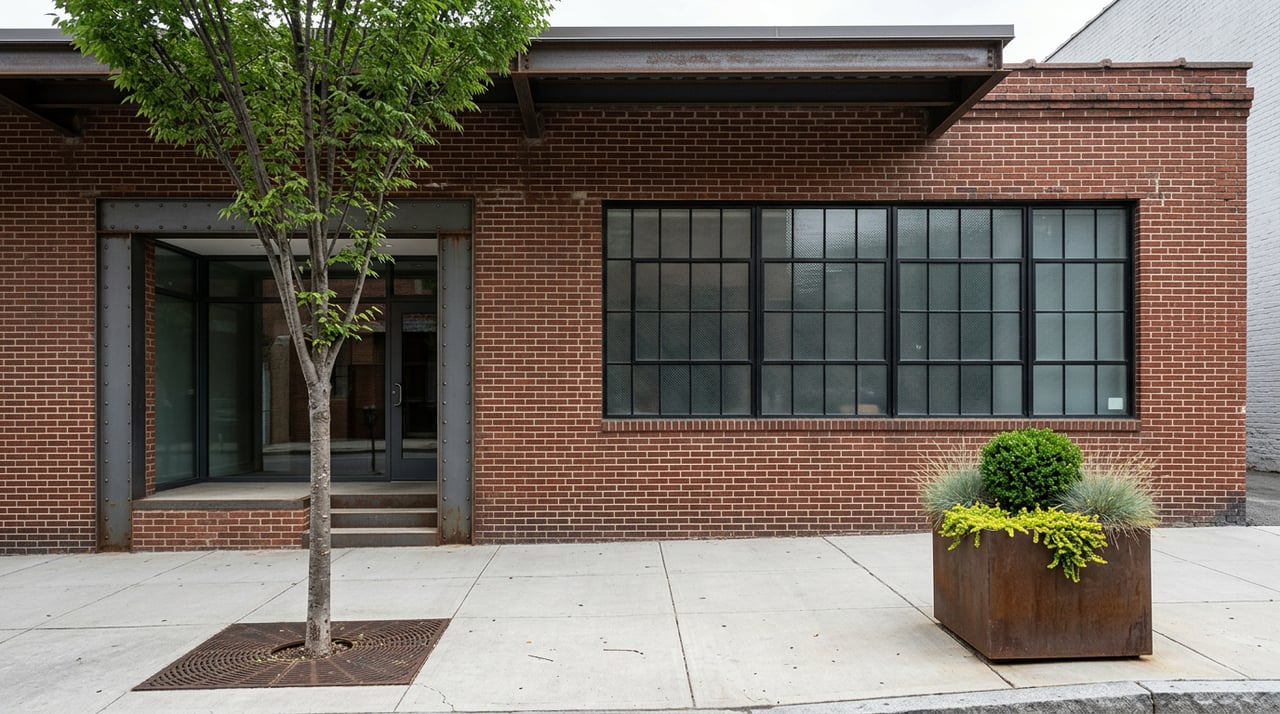
Walk down Fulton Street this week and you will pass a dark storefront at 916 West Fulton Market, the old glass doors and three-story atrium sitting empty since January. A block or two away, tables are full outside a restaurant that did not exist a year ago, and by Saturday morning the sidewalk in front of both will be lined with easels and pop-up tents for the neighborhood's biggest outdoor art market. Ask five people what happened to the food hall and you will get five different guesses. Almost nobody has the full picture, because the full picture is stranger than "a restaurant closed." The biggest room in the neighborhood emptied out at the exact moment the neighborhood kept getting busier. That contradiction is the actual story, and it changes how you should think about where to eat, work, and spend your Saturday here for the rest of the year.
The Empty Room Everyone Points To
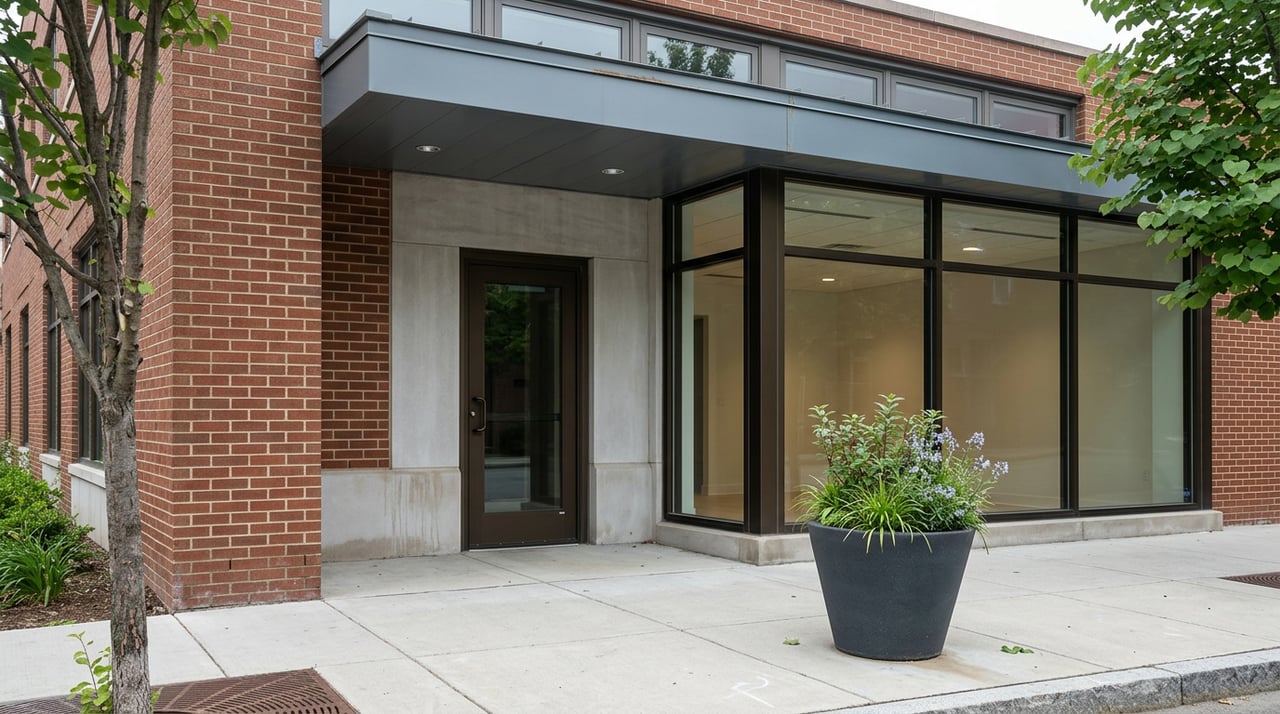
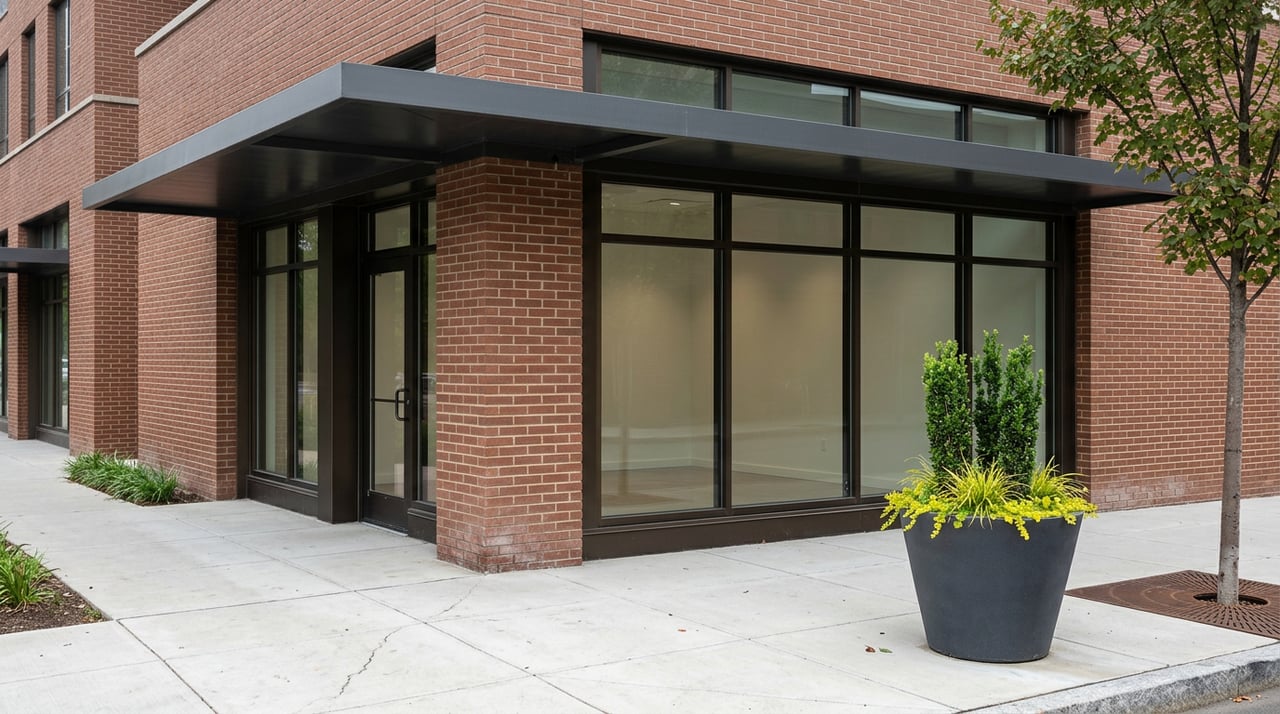
Time Out Market Chicago opened at 916 West Fulton Market in 2019 with 17 vendors under one 50,000-square-foot roof, a rooftop terrace, and a mission to put the city's best chefs in one place. It closed for good on January 23, 2026, after nearly seven years, and the space was still sitting vacant, awaiting a new tenant, as of early this month. The building's owners, a venture tied to the Italian family behind Campari Group, are working with developer R2 to figure out what goes in next, anything from another food concept to flagship retail, according to reporting from The Real Deal.
The reason it closed is the part most residents have not heard clearly stated. Time Out Market's own CEO, Michael Marlay, said the business had recovered and grown since the pandemic but that weekday traffic never fully came back, largely because of hybrid work. In his words, footfall remained "inconsistent in the area due to ongoing hybrid working." A food hall built around 17 vendors sharing overhead needs a steady five-day lunch crowd to break even. Fulton Market stopped reliably providing one.
The Smaller Bets That Moved In Anyway
Here is the part that does not fit the "neighborhood in decline" story some passersby tell themselves when they see the dark windows. In the months since Time Out Market announced its closure, a wave of independent restaurants opened or relocated onto the very same blocks, and none of them are betting on a captive office lunch crowd the way a food hall does.
Labriola, the Italian restaurant with a following in Oak Brook and a decade on Michigan Avenue, opened in the old Kuma's Corner space on April 22. Chef Bill Kim moved his Urbanbelly noodle shop back to the corner of Morgan and Fulton, taking over the former Taverna 1821 space. His ramen concept had itself been one of the anchor stalls inside Time Out Market before the whole building went dark, which makes this less a story about a chef leaving the neighborhood and more one about a chef who lost his stall and opened a bigger storefront two blocks away instead. All Too Well moved its gourmet sandwiches into the old Pockets storefront on Madison. Do-Rite Donuts, which has held its ground near the Green Line's Morgan stop for almost a decade, closed briefly for renovations and reopened with a streamlined takeout counter, same menu, cleaner setup. And Froth Coffee opened Bar None, one of the city's first cocktail lounges built around THC drinks, a genuinely new category rather than a swap of one restaurant for another. Axios Chicago tracked the full run of openings here.
| Then | Now |
|---|---|
| Time Out Market, 916 W. Fulton Market (50,000 sq ft food hall) | Closed Jan. 23, 2026; space still unclaimed as of early August |
| Kuma's Corner, closed 2024 | Labriola opened in the space, April 22, 2026 |
| Taverna 1821, Morgan & Fulton | Bill Kim's Urbanbelly relocated in |
| Pockets storefront, Madison St. | All Too Well gourmet sandwiches |
| Do-Rite Donuts | Reopened with a renovated, streamlined storefront |
| New concept, no prior tenant | Bar None, a THC cocktail lounge from Froth Coffee |
None of these are chains hedging their bets with a food-hall stall. They are independent operators signing their own leases on their own storefronts, which is a different and riskier commitment than renting a counter inside someone else's building. That is not what a neighborhood in retreat looks like.
A Different Kind of Weekday Crowd
The other half of the puzzle sits a few blocks over, where the daytime population never actually left Fulton Market. It just stopped needing a food hall.
The Fulton, a $350 million, 11-story office building at 919 West Fulton Street, opened in late January and was already about 60% leased, well ahead of the roughly 50% pre-leasing rate the building started with, according to Chicago Sun-Times reporting on the project. That is a notably tight number next to Chicago's overall office vacancy rate of 22.6% at the time. Coca-Cola is leasing two floors in the building's converted Schwinn factory for its Midwest headquarters. Financial firms are expanding inside it too: Permanent Capital grew from a 500-square-foot office to 10,000 square feet, and BlackEdge Capital jumped from about 9,000 to 15,000 square feet. Ground-floor retail in the complex includes Equinox and Gibsons Bar and Steakhouse.
That is the piece that reframes everything else. The office workers are still here, arguably in greater numbers than before, but they are walking into buildings that already have their own gyms, their own amenity floors, and their own steakhouse downstairs. A shared food hall built around communal seating and a rotating cast of counters is competing against buildings designed to keep employees inside. The weekday crowd didn't shrink. It got absorbed into private space that never needed a food hall in the first place, which is exactly why a Tuesday-through-Thursday food hall struggled even as Tuesday-through-Thursday office occupancy held up.
What This Weekend Is Actually Testing
All of which makes this particular weekend a useful gauge of where the neighborhood's energy is actually coming from. The West Loop Art Fest runs Saturday and Sunday, August 22 and 23, spanning four to five blocks of Fulton Street with more than 100 vendors selling ceramics, photography, jewelry, and handmade goods, plus food trucks and live music. It is free to attend, according to Choose Chicago's event listing, now in its sixth year.
A free, two-day, outdoor art market does not depend on Monday-through-Friday lunch traffic at all. It depends on people who already live within walking distance choosing to spend a Saturday on their own street, plus visitors drawn in from elsewhere in the city. That is a fundamentally different economic engine than the one that used to run through 916 West Fulton Market, and it is the one the neighborhood's restaurant openings this year have quietly been betting on. Labriola, Urbanbelly, and All Too Well are not counting on office workers grabbing a fast lunch between meetings. They are counting on residents and weekend visitors choosing to sit down.
If you live here, the practical takeaway is simple: your mental map of "what's on Fulton Street" is probably a year out of date in at least three places, and the businesses that replaced the old ones are generally worth the walk. If you are weighing whether the neighborhood is holding its value as a place to be, the more interesting answer isn't the empty storefront. It's that independent operators keep signing leases on the same blocks where a well-funded international food hall just failed, and a free outdoor art fair keeps drawing four blocks of foot traffic without a single office worker's lunch break involved.
That is not the kind of detail you get from a listing description or a drive-by. It's the kind you get from paying attention to a neighborhood over time, which is exactly what The Chris Demos Group does across Chicago and the surrounding suburbs, whether you are thinking about buying here, selling here, or just trying to figure out where to eat this weekend. If Fulton Market's next chapter ever turns into a real estate question for you, reach out and call Chris.