Thinking about a move to Chicago’s Northwest Side and wondering what everyday life really looks like in 60630? You might picture tree-lined blocks, a quick coffee run on the corner, and an easy hop to the Blue Line or expressway. This guide gives you a grounded look at homes, routines, parks, transit, and practical details so you can imagine a typical week here with confidence. Let’s dive in.
What 60630 feels like day to day
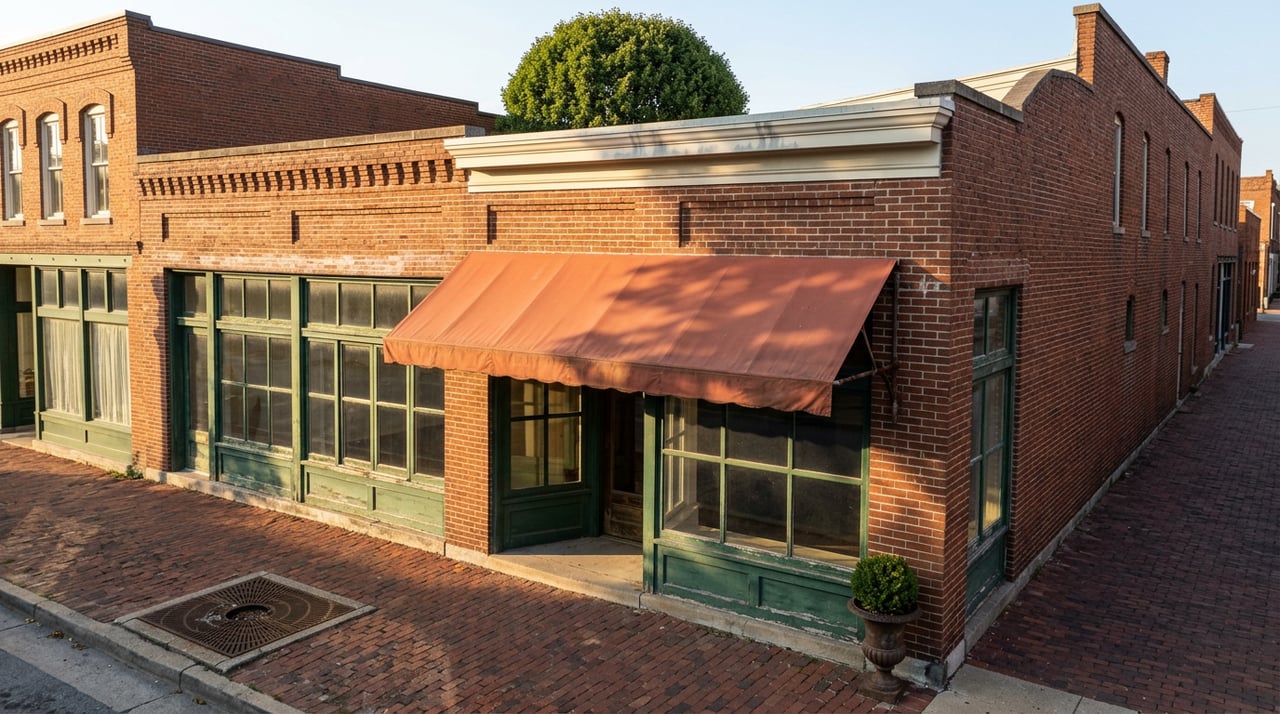
60630 centers on Jefferson Park and nearby Northwest Side pockets. Streets are residential and calm, with mature trees, front porches, and modest yards. Corner cafés, small markets, and family-owned restaurants punctuate the main corridors, creating a steady neighborhood rhythm.
Much of the area grew through the early and mid 20th century. You see that history in classic brick two-flats, Chicago bungalows, and later 1950s ranches. Long-standing neighborhood organizations, churches, and small businesses help anchor daily life for many residents.
Homes you see on the block
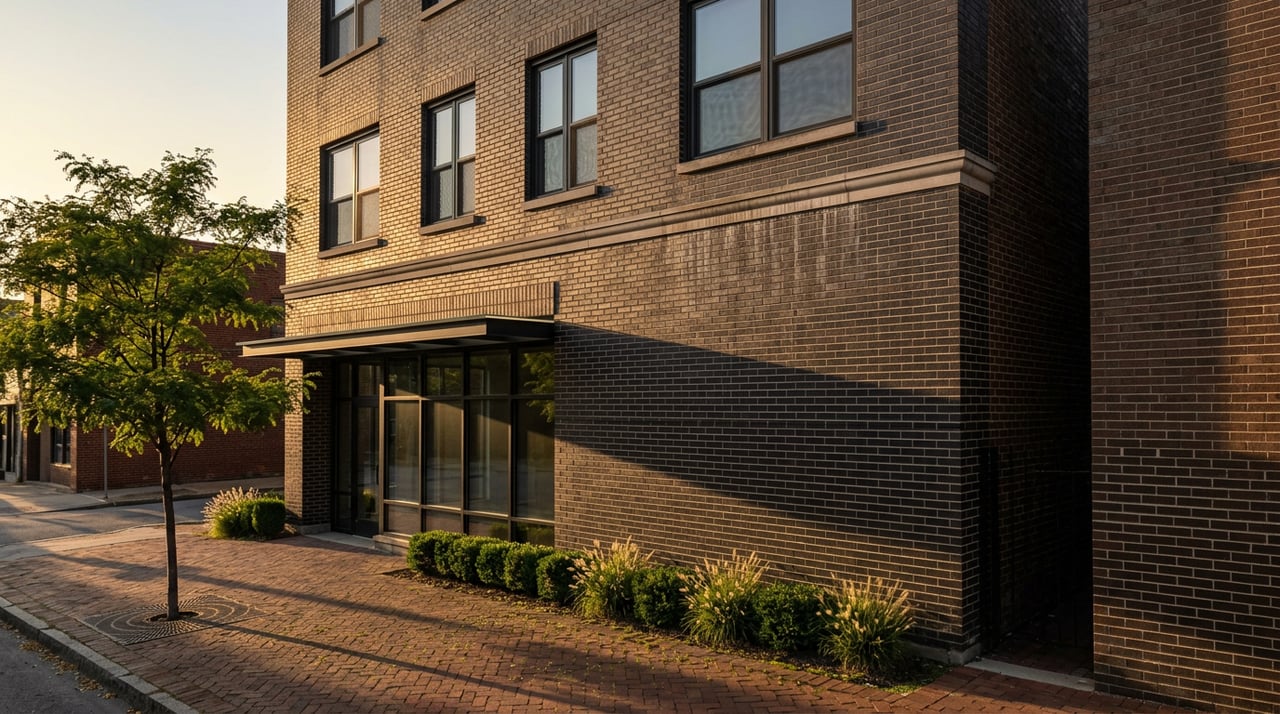
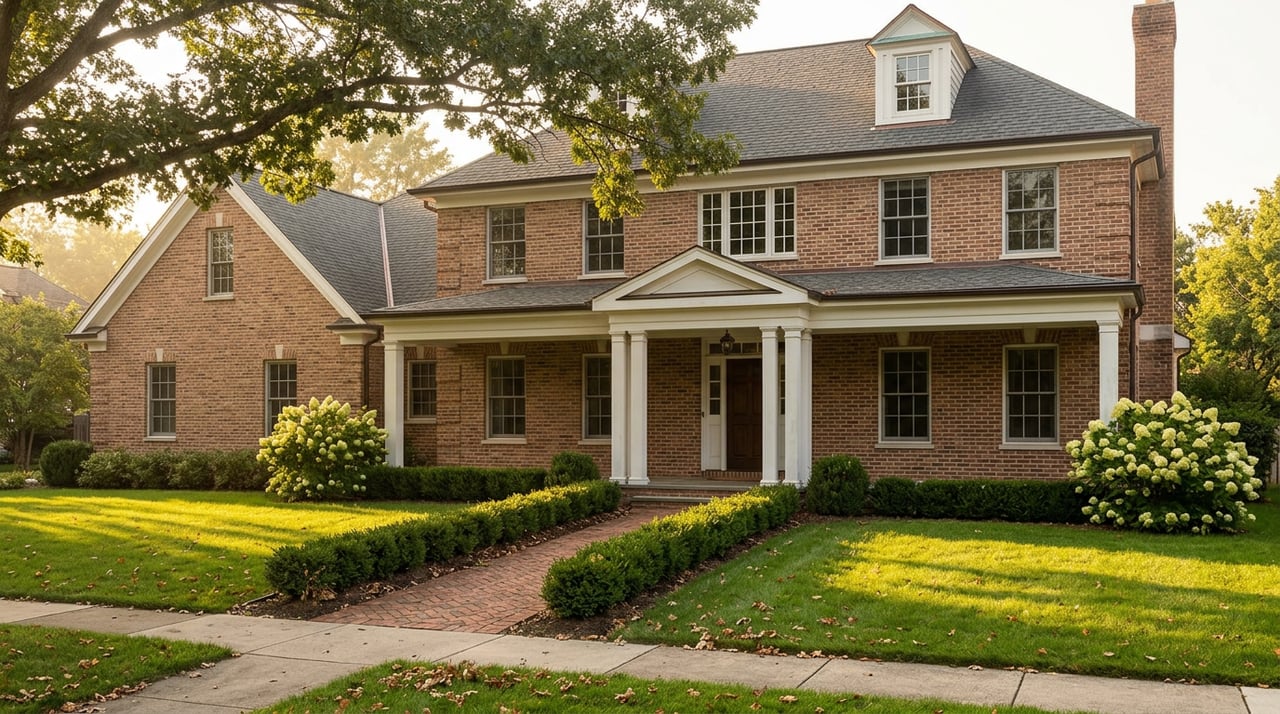
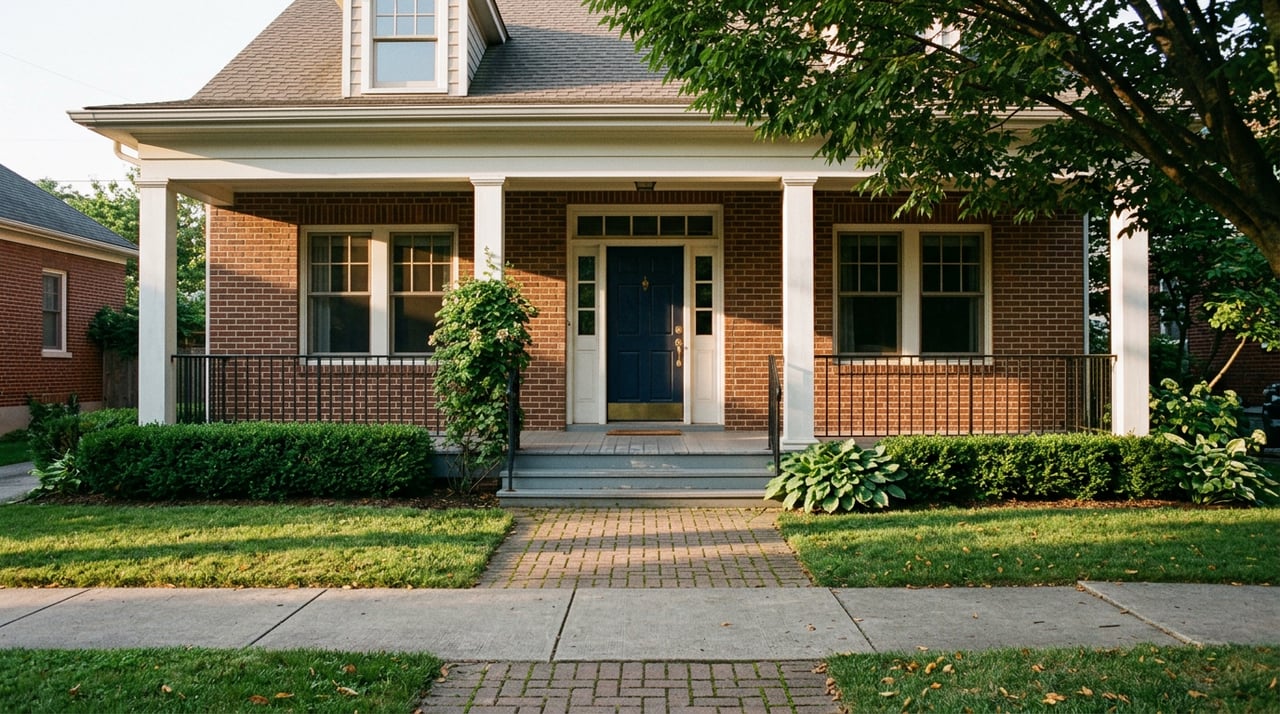
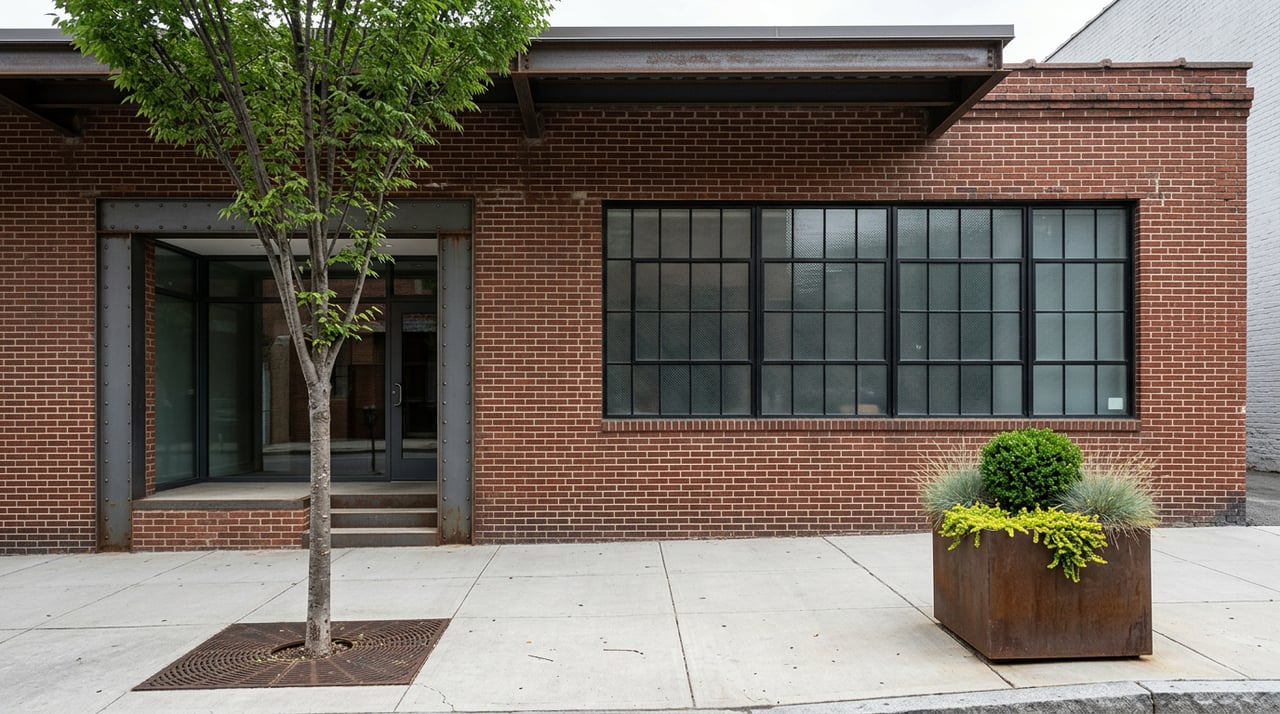
You’ll find a broad mix of housing: Chicago bungalows, brick two- and three-flats, single-family cottages, larger postwar single-family homes, and some newer infill. Many blocks include detached garages off alleys and on-street parking. Lots are sized for a bit of yard space, which keeps things quiet compared with denser central neighborhoods.
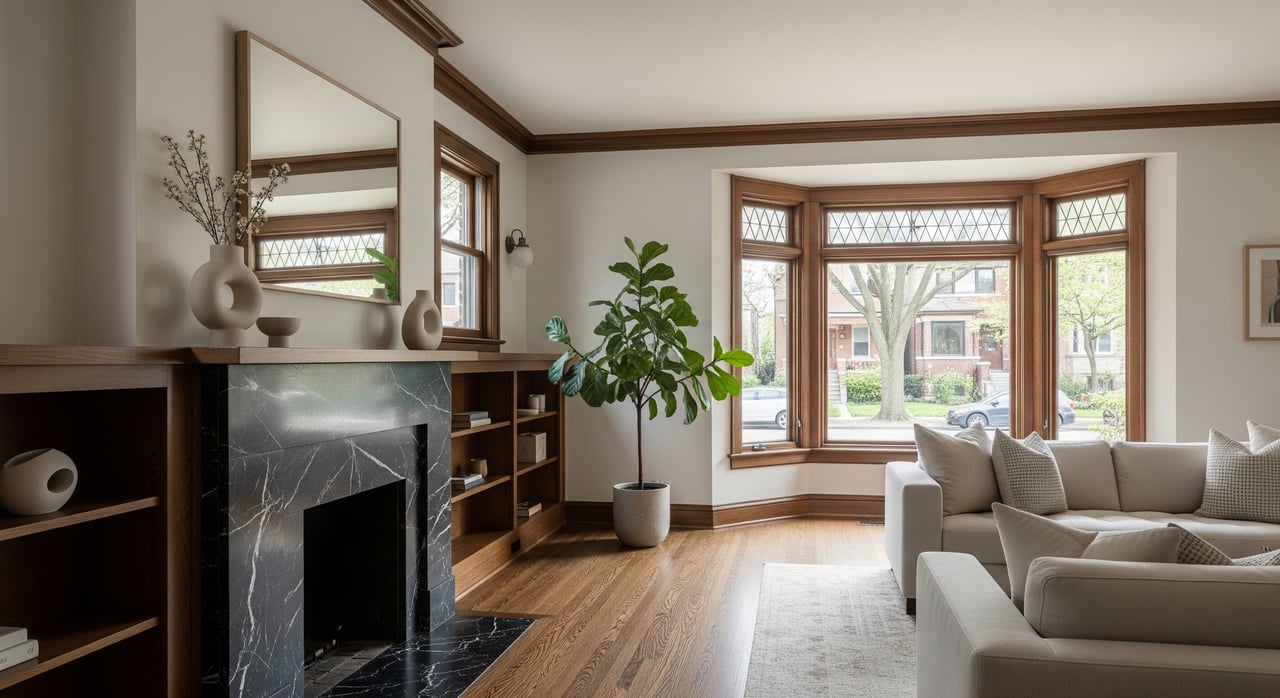
Most homes date from the 1920s through the 1950s, with conditions ranging from preserved original details to fully updated interiors. If you are touring, expect variety. One home might offer vintage woodwork, while the next has modern kitchens and baths.
Ownership and rental mix
Owner-occupancy is common on many blocks. You will also find rental options in two- and three-flats and small multi-unit buildings along busier corridors. If you want a separate unit for extended household needs, two-flats can offer flexibility.
What you can afford
Prices shift with season and inventory. For the latest median prices, days on market, and active listings, ask your agent for current MLS reports. You can also review property-level tax and improvement data through the Cook County Assessor to understand a home’s history.
Parks and weekend space
Local parks shape weekend routines across the Northwest Side. Neighborhood facilities often include playgrounds, ballfields, indoor rec centers, and seasonal pools. Larger forest preserves to the northwest add space for hiking and winter activities.
To see park-by-park amenities and program schedules, check the Chicago Park District. Many families plan around seasonal sports, youth programs, and summer pool hours. If access to green space matters to you, map your preferred parks and plan a Saturday walk to get a feel for the scene.
Daily basics: groceries, coffee, and errands
Shopping clusters along diagonal corridors and major arterials. Expect a practical mix of small grocers, ethnic markets and bakeries, national grocers, pharmacies, and local services like dry cleaners and barbers. Cafés and family restaurants stay busy on weeknights. For a wider dining scene, many residents head along Milwaukee Avenue or to other parts of the city.
Healthcare needs are served by local clinics and community hospitals across the Northwest corridor and nearby suburbs. For specialty care, residents often travel to larger hospital systems in the city or suburban networks.
Getting around: CTA, Metra, and driving
Transit is a strong everyday advantage in 60630. A major transit hub in this area connects CTA rapid transit and Metra commuter rail, linking you to the Loop and suburban directions. The CTA Blue Line provides a one-seat ride to downtown and to O’Hare for many riders. For schedules and service changes, use CTA’s trip planner before you go.
Metra trains offer commuter rail service with fewer stops and peak-focused schedules. If you are considering a suburban commute, review the Metra line maps and timetables for a realistic view of travel patterns. Local and regional buses, including Pace, connect neighborhoods to these rail lines and help with last-mile trips.
Driving access is straightforward. The Kennedy and Edens corridors are nearby, and many residents commute by car to jobs in both the city and suburbs. Access to O’Hare is typically quicker from here than from many other Chicago neighborhoods, though actual drive times vary with traffic.
Walking and biking
Walkability is strongest near commercial streets and transit centers. Bicycle facilities vary by corridor, and many people combine biking with transit. If cycling is part of your routine, review routes and test a daytime ride to gauge comfort with traffic.
Schools and family services
Public schools are part of Chicago Public Schools, with additional parochial and private options in and around the area. Because school boundaries and programs can change, confirm details directly. You can review attendance areas and school report cards on CPS school profiles and contact schools about enrollment and specific programs.
After-school activities often center on park district programs, youth sports, and community events. If you plan to enroll children in activities, check seasonal registration windows early.
Practical things to know
- Property taxes and assessments. Property taxes are administered by Cook County, and effective rates vary by assessed value and exemptions. You can review assessments at the Cook County Assessor and payment details through the Cook County Treasurer.
- Parking, permits, and winter routines. Many blocks rely on curb parking, with residential permit programs in some areas. Snow rules and seasonal street cleaning affect day-to-day routines. Confirm permit requirements and schedules with the City of Chicago’s Department of Finance and 311 resources.
- Public safety and due diligence. Perceptions and patterns vary block by block. For a data-based view, consult the Chicago Police Department data on the City of Chicago Data Portal. Review multiple years and visit at different times of day to form your own impressions.
- Flood and stormwater. Flood risk is generally lower than river-adjacent areas, but basement backups and local stormwater issues can occur. For property-specific risk, check the FEMA Flood Map Service Center and City resources through the Department of Water Management.
- Accessibility. Older housing can include stairs and narrow entries. If accessibility is important, plan for layout reviews and potential retrofit options during showings.
A week in 60630: a simple picture
- Monday morning. Coffee on a neighborhood strip, Blue Line or Metra to downtown, or a quick drive on the Kennedy if your work is suburban.
- Wednesday after work. Park district programs, a local pub or family restaurant, and a short drive home with easy parking.
- Saturday. Farmers market or community event, errands along a main corridor, and an afternoon at a nearby park.
- Sunday. Yard work, a walk to a bakery, and planning weekday commutes or school drop-offs.
Who 60630 tends to fit
If you like a residential feel with quick access to transit and highways, 60630 can be a strong match. You will find a wide range of home types, from bungalows and two-flats to larger postwar homes and newer infill. The area’s parks, local dining, and straightforward commutes make daily routines simple and predictable.
How to start your search
- Walk the blocks you like at different times of day. Note parking patterns, traffic, and noise.
- Test your commute. Ride the Blue Line or Metra during your usual hours and compare to driving.
- Map your essentials. Locate your preferred parks, grocery stores, clinics, and gyms.
- Verify the numbers. Review assessments and tax history through Cook County and confirm monthly costs with your lender.
- Align with schools and programs. Use CPS profiles to confirm boundaries and connect with schools about enrollment.
- Inspect for practical fit. Check basement drainage, storage, garage access, and any accessibility needs.
When you want a clear plan to tour homes and compare trade-offs, reach out. With deep knowledge of the Northwest Side and nearby suburbs, we can help you target the right blocks, test commutes, and navigate each step with confidence.
Ready to explore 60630 with a trusted local advisor by your side? Connect with Christopher Demos to map your next move.
FAQs
What parts of Chicago does ZIP 60630 include?
- 60630 covers Jefferson Park and parts of surrounding Northwest Side neighborhoods; borders are informal and can vary by source.
What types of homes are common in 60630?
- You will see Chicago bungalows, brick two- and three-flats, single-family cottages, larger postwar homes, and some newer infill on tree-lined, residential blocks.
How do you commute from 60630 to downtown?
- Many riders use the CTA Blue Line for a one-seat trip to the Loop, while Metra serves commuter rail needs; check schedules for current travel times.
Where can you find park programs near 60630?
- Review facilities and seasonal activities by neighborhood on the Chicago Park District website.
How do property taxes work for 60630 homes?
- Cook County administers assessments and tax bills; verify details through the Cook County Assessor and payments via the Cook County Treasurer.
How can you review school options and boundaries?
- Use CPS school profiles for attendance boundaries and report cards, then contact schools directly for enrollment and programs.
What should you know about parking rules in 60630?
- Many blocks use curb parking, and some require residential permits; confirm specific requirements and seasonal rules with the City’s finance and 311 resources.
How do you check flood risk for a property in 60630?
- Start with the FEMA Flood Map Service Center and the City’s Department of Water Management for local sewer and stormwater information.