Thinking about living in one unit and letting the other units help cover the mortgage? In 60615 and nearby South Side neighborhoods, 2 to 4 flats can make that plan real. You get a home and income potential in one move. In this guide, you will learn how financing works, what buildings to target, how lenders treat rent, and the Chicago rules you need to know. Let’s dive in.
Why house hack in 60615
You can live in one unit and rent the others, which can offset a large share of your monthly payment. In 60615, Hyde Park, Kenwood, and Bronzeville offer many vintage two, three, and four-flats with strong demand near the University of Chicago. Transit, walkability, and classic masonry buildings make daily life convenient. Local comps vary block by block, so a precise neighborhood strategy matters.
Financing paths for 2-4 units
Most buyers use one of three primary loan types for owner-occupied 2-4 unit properties.
- FHA: Minimum 3.5% down for qualified buyers, with upfront and annual mortgage insurance. You must occupy the property as your primary residence, typically within about 60 days. The home must meet FHA Minimum Property Standards.
- VA: For eligible veterans and service members. Often zero down, subject to entitlement and loan limits, plus a one-time funding fee for most borrowers. Occupancy intent as a primary residence is required. VA has Minimum Property Requirements.
- Conventional: Down payment needs are higher for multi-units than for single-family. Many lenders look for around 15% down on 2 units and around 25% down on 3-4 units. Private Mortgage Insurance may apply with less than 20% down, depending on the program.
Always confirm details with a lender experienced in owner-occupied 2-4 unit loans in Chicago. Lender overlays, reserves, and documentation standards vary.
How lenders count rental income
Lenders often count a portion of rent from the other units to help you qualify. The amount and method depend on loan type and lender.
- Leased units: Lenders may use current leases and proof of deposits to count rent.
- Vacant units: Lenders often use an appraiser’s market rent estimate and count a percentage of it, commonly around 75%.
- Reserves and DTI: Multi-unit purchases may require extra months of payment reserves. Your debt-to-income ratio still must meet program limits.
Ask your lender exactly how they will treat rents from each unit so you can run realistic payment scenarios.
Property types you will see
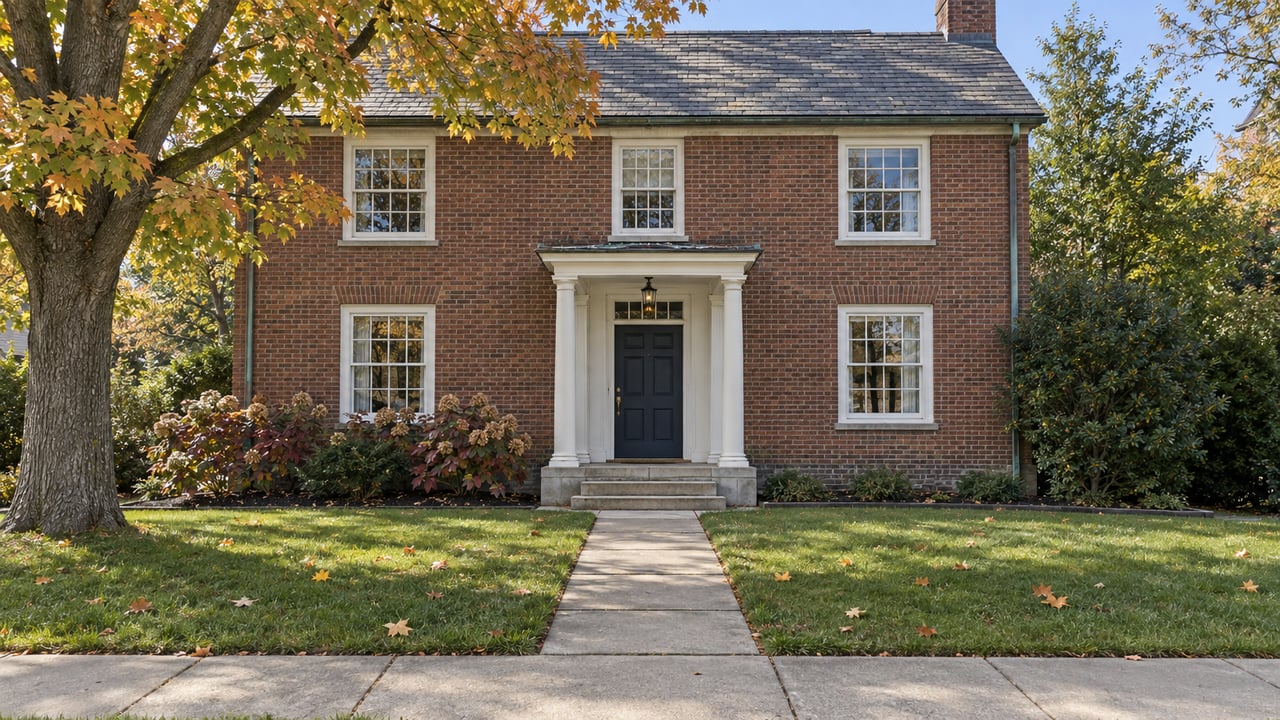
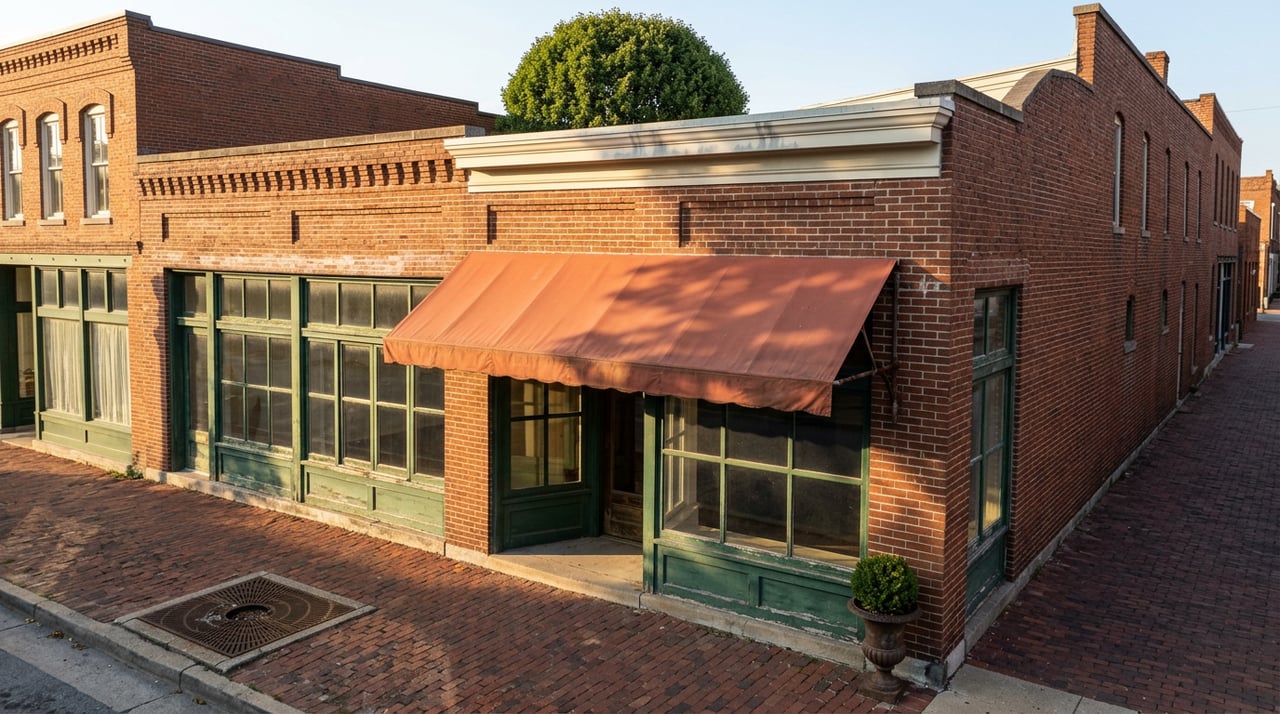
60615 and nearby South Side areas offer many older masonry buildings.
- Two-flats and three-flats: Stacked full-floor units or side-by-side layouts. Brick and greystone are common.
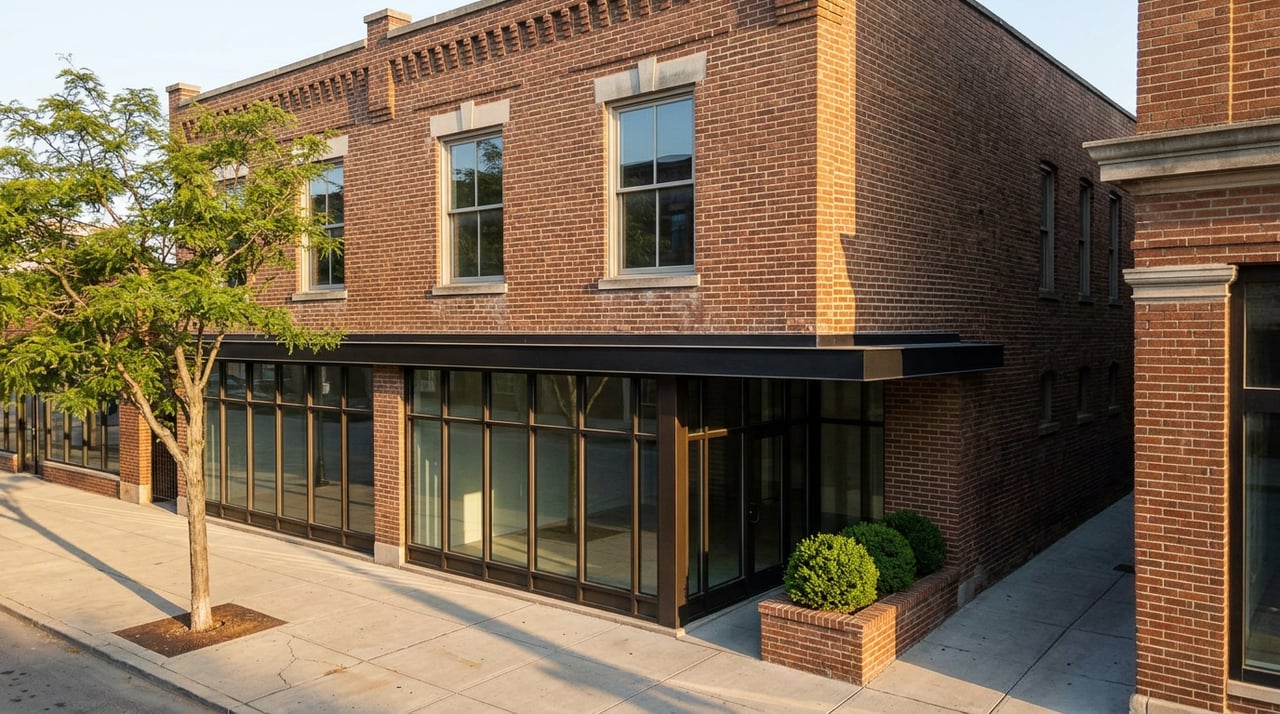
- Four-flats and small walk-ups: Two units per floor or townhouse-like plans.
- Basement units: Often present, but must meet habitability and egress rules to count as legal units.
Classic layouts include 1 to 3 bedrooms with living room, dining room, kitchen, and back stair access. Many buildings have separate utility meters, but some have master meters that require landlord-paid utilities.
What to watch for in vintage buildings
Older South Side properties can be great performers with the right prep.
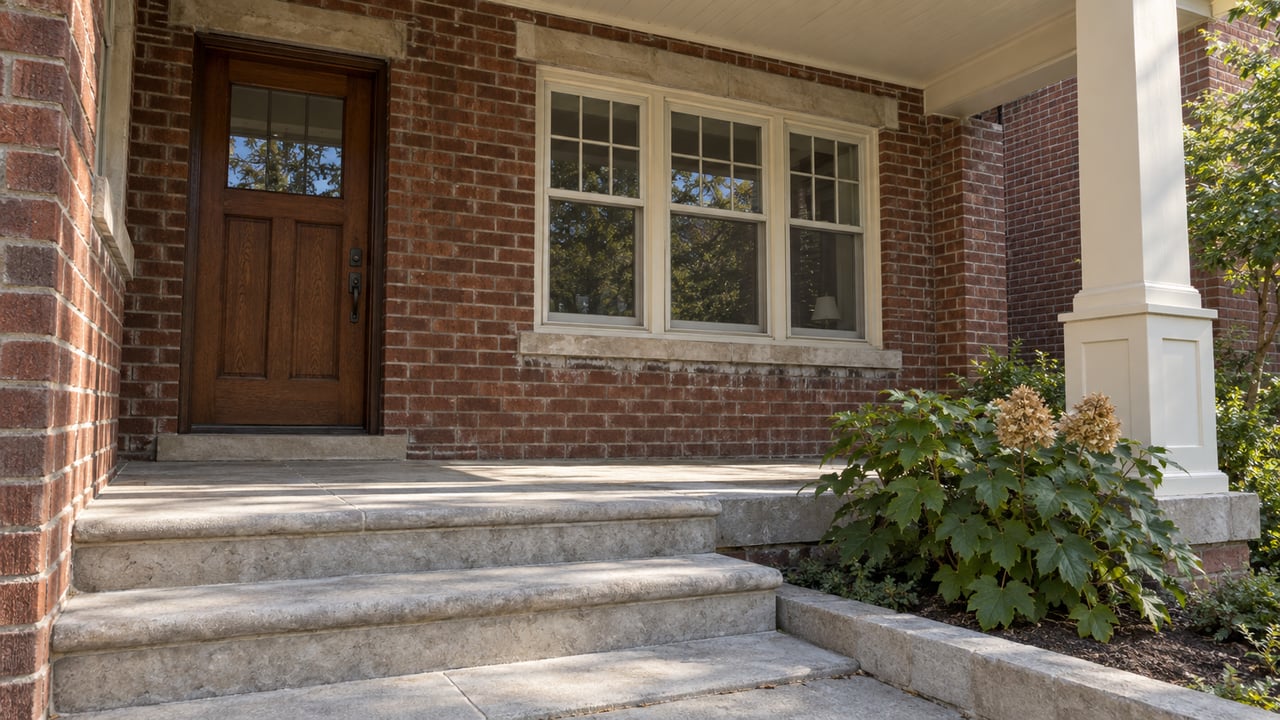
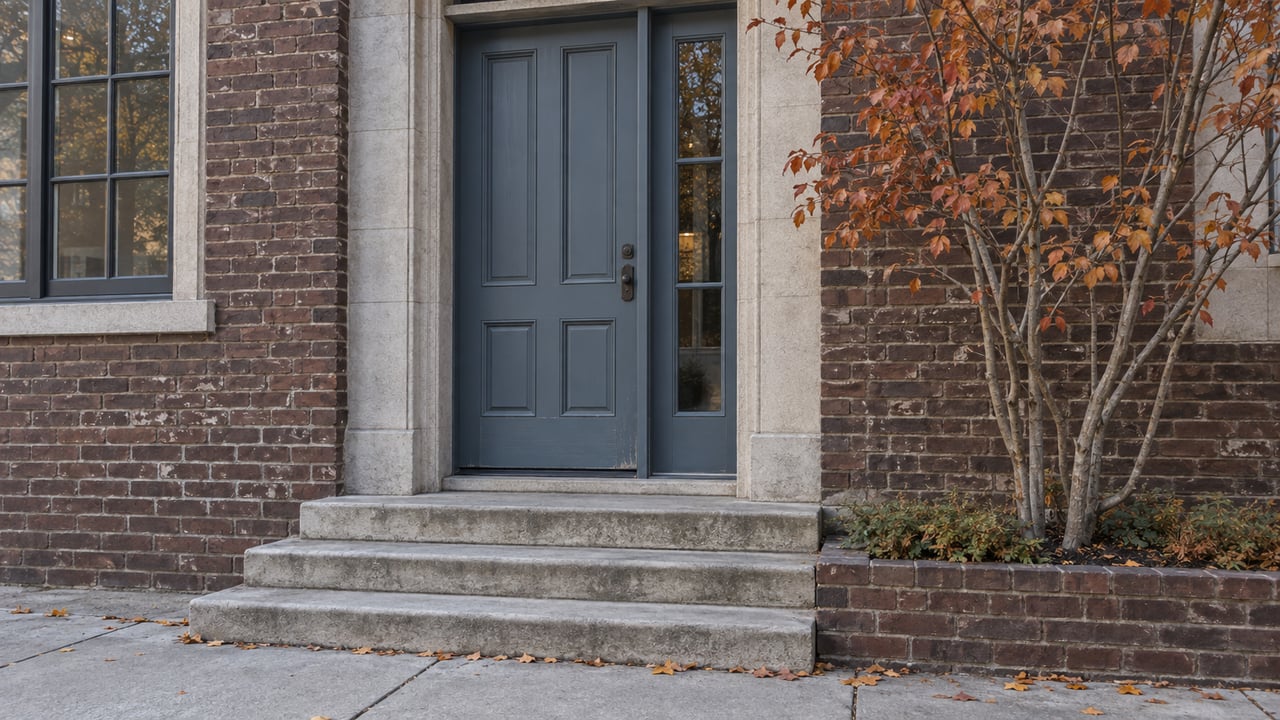
- Condition and code: Porches, roofs, masonry, older HVAC, and wiring can trigger repair needs. Unpermitted work or basement conversions can be financing roadblocks.
- Utility separation: Individually metered gas and electric simplify management and income forecasting. Master meters mean you must budget for utilities and tenant billing.
- Unit mix: 1 and 2 bedroom units are common, with some full-floor 3 bedroom flats. Kitchens and baths may be dated, which can affect rent.
Chicago rules to know
Owning rentals in Chicago means following city and county requirements.
- RLTO: The Chicago Residential Landlord and Tenant Ordinance sets rules for leases, entry, notices, deposits, and fees. Understand how it applies to your building.
- Permits and legal units: Verify that each rental unit is legal and permitted. Unpermitted units risk loan denial or required remediation.
- Lead paint: Buildings built before 1978 require proper disclosures and lead-safe practices during work.
- Registration and inspections: Confirm current rental registration and any inspection requirements with the City of Chicago.
Always confirm the latest rules with the City of Chicago and consult a local attorney or knowledgeable agent.
Insurance and taxes 101
An owner-occupied multi-unit needs the right coverage and tax setup.
- Insurance: Expect owner-occupied dwelling coverage plus landlord liability. Consider loss of rents coverage and, if needed, an umbrella policy.
- Taxes: Rental income is taxable. You can usually deduct eligible expenses, including the allocable share of mortgage interest, property taxes, insurance, repairs, utilities you pay, and depreciation on the rental portion. When you live in one unit, you prorate expenses and depreciation between personal and rental use.
- Cook County property taxes: Include property taxes and assessments in your cash flow plans. Ask your lender to use current estimates and confirm exemptions.
Consult a CPA for guidance on depreciation, expense allocation, and potential recapture at sale.
Budgeting and reserves
Plan conservatively so your house hack stays stable.
- Reserves: Keep several months of mortgage payments on hand. Lenders may require reserves for 2-4 unit purchases.
- Vacancy and repairs: Budget for vacancy and routine repairs. Vintage masonry, roof work, and mechanicals can be significant cost centers.
- Capital projects: Tuckpointing, porch work, and unit updates can improve rents and durability. Get contractor estimates before you close.
Management and leasing basics
Decide if you will self-manage or hire help. A clear system protects your time and cash flow.
- Tenant screening: Use consistent written criteria and follow fair housing rules. Verify income, rental history, and references.
- Leases and deposits: Use Chicago-compliant leases. Handle deposits and fees per RLTO and state law.
- Rent setup: Separate meters simplify billing. If you have master meters, price rent to reflect landlord-paid utilities.
- Turnover rhythm: Proximity to the University of Chicago can mean periodic turnover tied to academic schedules. Plan for advertising and unit prep accordingly.
Step-by-step game plan
Follow a simple process to reduce surprises and improve outcomes.
- Get pre-approved with a lender that regularly closes owner-occupied 2-4 unit loans in Chicago. Ask about down payment, reserves, and how they count rent.
- Define your target sub-areas in 60615 and nearby blocks. Use local comps for both sales and rents.
- Verify legal unit count and permits with the City of Chicago before you finalize your offer.
- Inspect with a multi-unit and vintage-experienced inspector. Bring a contractor to bid major items early.
- Underwrite rents with current leases, market comps, and an appraiser’s rent schedule. Reduce for vacancy and landlord-paid utilities if any.
- Build a first-year budget that includes taxes, insurance, maintenance, reserves, and a capital plan.
- Set your management plan, lease templates, and screening criteria before you list a unit for rent.
When to bring in pros
House hacking a 2-4 flat touches lending, construction, leasing, and compliance. A team that works these buildings often can save you time and money. Lean on a lender, inspector, contractor, attorney, CPA, and a local agent who knows 60615 and multi-unit dynamics. That bench strength helps you close with confidence and launch your rental plan smoothly.
Ready to identify the right building and map a plan that fits your budget? Reach out to Christopher Demos for a clear, step-by-step path from pre-approval to keys in hand.
FAQs
What is house hacking a 2-4 flat in 60615?
- Buying a 2-4 unit building, living in one unit as your primary home, and renting the others to help offset mortgage and operating costs.
How much down payment do I need with FHA for a 2-4 unit?
- FHA commonly allows 3.5% down for qualified borrowers, plus upfront and annual mortgage insurance and an owner-occupancy requirement.
Can I use rental income from other units to qualify for the loan?
- Yes, lenders often count documented rent or a portion of market rent from other units, but rules and percentages vary by loan type and lender.
What property issues can derail FHA or VA in Chicago?
- Safety or structural problems like bad porches, roof issues, nonconforming electrical, or unpermitted units may need repair before closing.
Do I need to register my rentals in the City of Chicago?
- Chicago has registration, permitting, and compliance requirements for rentals, so confirm current rules with the City before you lease.
How are taxes and depreciation handled when I live in one unit?
- You typically report rental income and prorated expenses on Schedule E and depreciate only the rental portion, so consult a CPA for specifics.
What utilities setup is best for a South Side 2-4 flat?
- Individually metered gas and electric simplify management and help tenants pay their own usage, while master meters require landlord-paid utilities.
How fast must I move in with FHA or VA financing?
- Both FHA and VA require primary occupancy intent, and buyers usually must occupy within a set period after closing, so confirm timing with your lender.