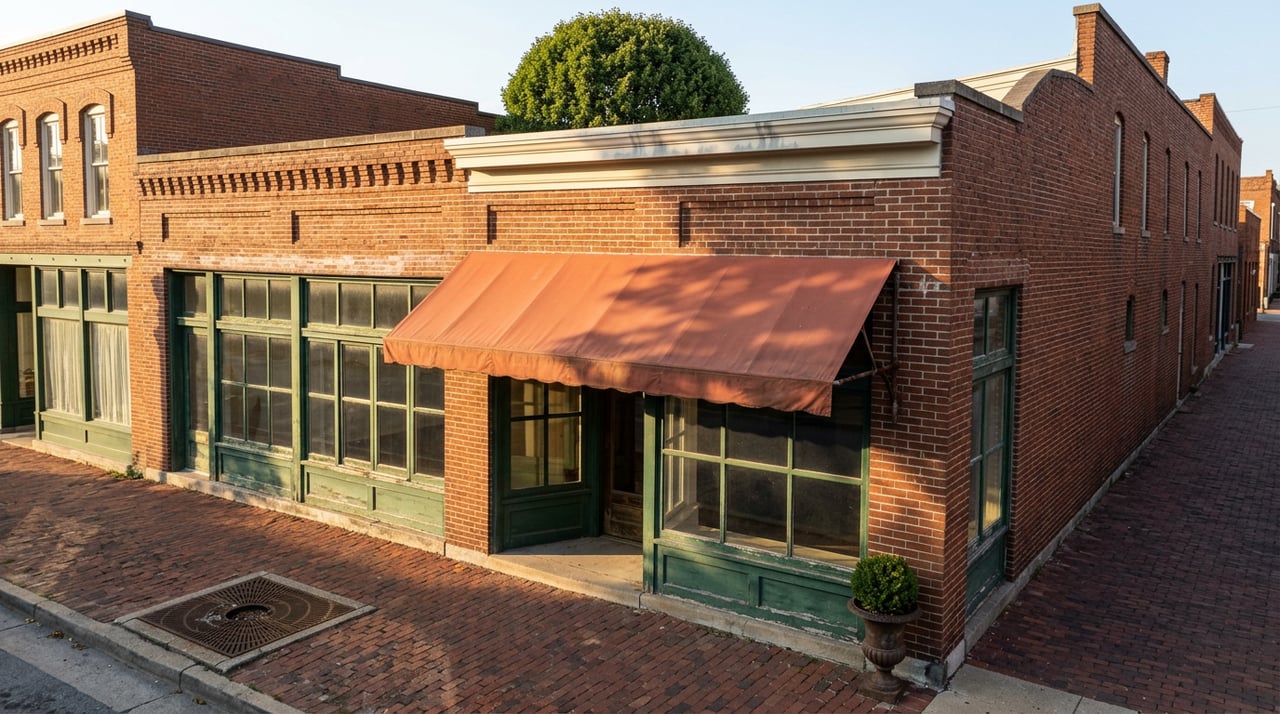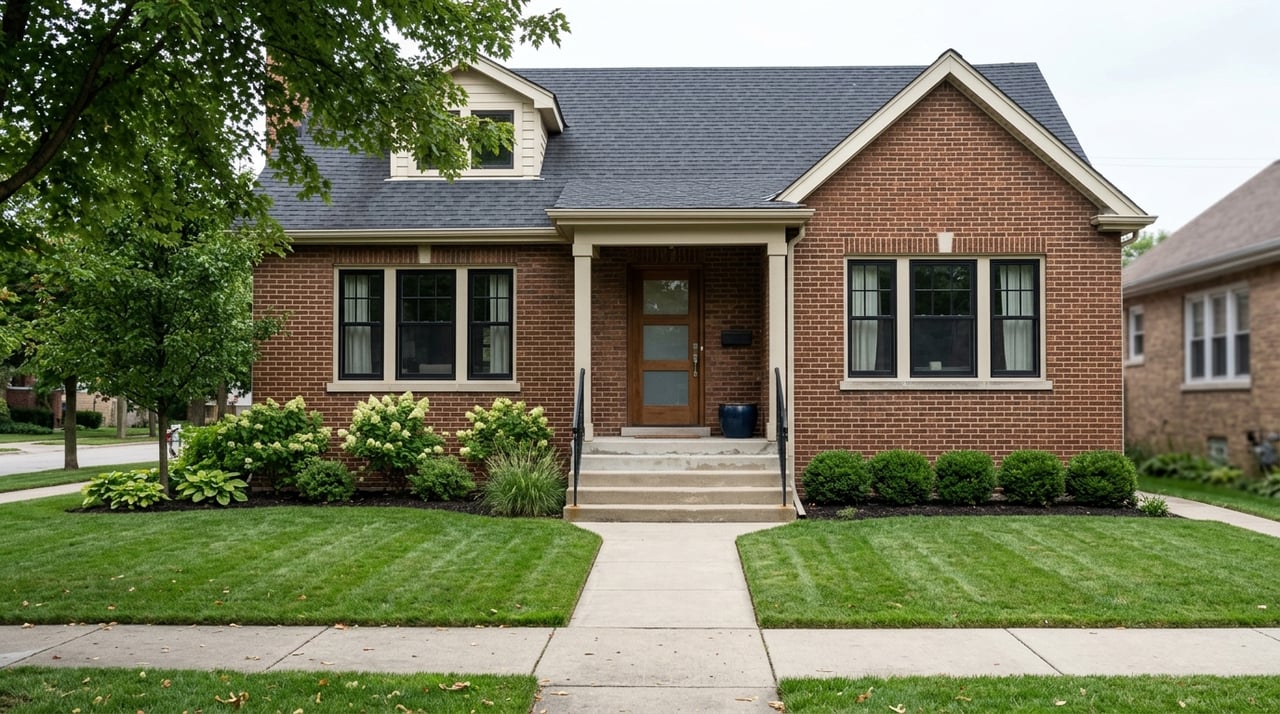
If you own a vintage home on Chicago’s Northwest Side, you already know it is not just another listing. Buyers often walk into a bungalow or older brick home looking for character, but they also want the layout, condition, and presentation to feel easy to live with today. If you are getting ready to sell in 60630, a smart plan can help you highlight what makes your home special and avoid surprises once your home hits the market. Let’s dive in.
Understand what buyers see
In 60630, many vintage homes trace back to the Chicago bungalow era, with much of the housing stock built from 1910 through the mid-1930s. These homes are often brick, about 1.5 stories, set on narrow lots, and built with full basements and efficient layouts. Many also feature details buyers still appreciate today, such as generous windows, leaded art glass, porches, wood trim, and unfinished attics that were originally intended for future expansion.
That mix of charm and function shapes how buyers judge your home. They are not only noticing original character. They are also asking whether the home feels move-in ready, whether the rooms have a clear purpose, and whether the floor plan works for modern daily life.
Start with repair and disclosure readiness
Before you think about paint colors or listing photos, make sure you understand your home’s condition. In Illinois, sellers must provide a residential real property disclosure report before the contract is signed, and that disclosure must be updated if new information comes up before closing. The law also makes clear that the disclosure is not a substitute for inspections, and buyers may still request their own inspection by a qualified professional.
For an older home, a pre-list inspection can be especially helpful. It gives you time to learn which issues are worth repairing before going live, which items should simply be disclosed, and which matters may become negotiation points later. Because home inspection is a licensed profession in Illinois, use a licensed home inspector if you choose to do a pre-list inspection.
Why vintage homes benefit from prep work
Older homes often have a combination of original construction and later updates. That can mean a little more complexity when it comes to systems, finishes, and maintenance history. Getting ahead of those details can make your sale feel more organized and reduce last-minute stress.
A pre-list review can also help you budget wisely. Instead of spending money broadly, you can focus on items that improve buyer confidence and support your asking price.
Know the lead paint rule
If your home was built before 1978, federal lead disclosure rules apply. Sellers must disclose any known information about lead-based paint or lead hazards, provide the required lead pamphlet, and give buyers a 10-day opportunity to conduct lead testing. The seller is not required to pay for that testing or risk assessment.
For many vintage homes in Chicago, this is a routine part of the transaction process. The key is to be prepared early so the paperwork does not become a scramble once you have an interested buyer.
Check landmark status before exterior work
If you are thinking about changing the exterior before listing, pause and confirm whether your property is a designated landmark or located in a Chicago landmark district. The City of Chicago states that the Landmarks Commission reviews proposed alterations, demolition, and new construction affecting designated landmarks and landmark-district properties. In landmark districts, visible exterior elevations are typically the protected features.
Routine painting and minor repairs generally do not require a building permit, but larger exterior changes may need review. That means it is wise to verify the rules before replacing visible features or making bigger facade updates.
Focus on updates buyers notice first
When you prepare a vintage home for sale, your goal is usually not to erase its age. The better strategy is to keep the character that buyers love while removing the things that create hesitation. In many Northwest Side homes, the highest-impact updates are the ones buyers notice right away.
Think in terms of first impressions, cleanliness, and ease of use. A tidy exterior, an inviting entry, fresh paint, better lighting, and a simple kitchen or bath refresh can do a lot to make the home feel cared for and move-in ready.
High-impact refresh ideas
Consider focusing on updates like these:
- Improve curb appeal with clean walkways, trimmed landscaping, and a neat front entry
- Refresh interior paint in light, neutral tones that let original trim and details stand out
- Replace dim or dated lighting so rooms feel brighter and more welcoming
- Deep clean windows, floors, tile, and grout
- Simplify crowded rooms so buyers can understand the layout
- Make small kitchen or bath improvements that support a clean, functional feel
In a vintage home, these choices can make the space feel larger and easier to navigate without stripping away period character.
Stage for your floor plan
Staging matters, especially in homes with smaller rooms or more defined floor plans. According to the National Association of Realtors’ 2025 Profile of Home Staging, 83% of buyers’ agents said staging makes it easier for buyers to visualize a property as a future home. The same report found that 29% said staging can increase the dollar value offered by 1% to 10%.
The same research also found that the living room was the most important room to stage, followed by the primary bedroom and kitchen. That lines up well with many bungalow-style homes, where room purpose and flow are a big part of the buyer experience.
Best staging moves for vintage homes
For many 60630 homes, staging works best when it clarifies how each room should be used. Furniture that is too large can make an already efficient layout feel tight. The right scale, by contrast, helps buyers see movement, natural light, and function.
Try to stage with these goals in mind:
- Define each room clearly
- Keep traffic paths open
- Use fewer, better-sized pieces of furniture
- Highlight built-ins, leaded glass, and original woodwork
- Let windows and natural light stay visible
- Keep decor simple so character details stand out
This approach helps buyers see charm as an asset, not a complication.
Price with today’s market, not memory
Pricing a vintage home can be tricky because every house has its own mix of condition, updates, and original details. In 60630, current market readings vary by source, but they tell a similar story. Zillow reports an average home value of $420,540 and says homes go pending in around 6 days, while Realtor.com reports a median listing price of $449,900, a median sold price of $432,500, 106 active listings, and 21 median days on market.
Those numbers are not meant to match exactly because each platform uses a different method. Still, the broader lesson is useful. The market appears active, but buyers are paying attention to condition and pricing accuracy.
Why pricing precision matters
Realtor.com’s median sold price is about 4% below its median listing price. That gap is a good reminder that pricing should be tied to closed sales and current competition, not simply to what a seller spent on renovations or what broader neighborhood averages suggest.
For a vintage home, the best comparable sales are usually the ones that match your home in the ways that actually affect buyer demand, including:
- Era and architectural style
- Size and layout
- Basement finish
- Garage or parking setup
- Additions or attic expansion
- Level of modernization
- Overall condition at launch
A well-priced home can attract strong attention quickly. A home that launches too high may lose momentum during the most important early days on the market.
Make your first week count
In a market where homes may go pending quickly, your first week matters a lot. Buyers often decide within moments of seeing listing photos whether a home is worth touring. That means preparation should happen before your home goes live, not after.
Professional presentation can support that early momentum. The staging research cited above also notes the importance of photos, video, and virtual tours. For a home with distinctive vintage character, strong visuals can help buyers appreciate the details before they ever step through the front door.
Launch checklist for sellers
Before listing, aim to have these items in place:
- Repairs and touch-ups completed
- Disclosure materials prepared
- Lead disclosure ready if applicable
- Exterior work verified for landmark compliance if needed
- Staging or furniture edits complete
- Professional imagery scheduled
- Pricing based on current closed sales and active competition
When those pieces come together, your listing enters the market with a stronger story and fewer avoidable obstacles.
Sell the character, support the function
The best sales strategy for a vintage Northwest Side home is usually balanced. You want buyers to feel the warmth, craftsmanship, and history of the home, but you also want them to see how it works for life today. That means preserving the details that make the home memorable while improving the things that make it easier to understand, tour, and buy.
If you are preparing to sell in 60630, thoughtful planning can protect your time, sharpen your pricing, and help your home stand out in a competitive market. For tailored guidance, presentation strategy, and hands-on support from start to finish, connect with Christopher Demos.
FAQs
What makes a vintage home in 60630 different from a newer listing?
- Many 60630 homes come from the Chicago bungalow era and often include original features, efficient floor plans, full basements, and potential attic expansion, so buyers tend to weigh both preserved character and modern-day function.
Should you get a pre-list inspection for an older Chicago home?
- A pre-list inspection can be useful because it helps you identify issues early and decide what to repair, disclose, or leave for negotiation, and Illinois home inspectors are licensed through the state.
What disclosures do sellers need for a pre-1978 home in Chicago?
- If the home was built before 1978, sellers must disclose any known lead-based paint or lead-hazard information, provide the required lead pamphlet, and allow buyers a 10-day opportunity for lead testing.
How should you stage a Chicago bungalow before selling?
- Focus on clarifying room purpose, improving traffic flow, using properly scaled furniture, and highlighting original features like wood trim, built-ins, and leaded glass.
How should you price a vintage home in 60630?
- The strongest approach is to use recent closed sales, compare active competition, and adjust for condition, layout, basement finish, parking, additions, and level of modernization rather than relying on renovation cost alone.