Considering a Chicago bungalow on the Northside but not sure how charm, layouts, and upgrades translate to value? You are not alone. These homes offer warmth, craftsmanship, and city living, yet many come with older systems and compact rooms. In this guide, you will learn what defines a Chicago bungalow, typical layouts and sizes, the updates that matter most, and the common inspection and permitting steps that protect your investment. Let’s dive in.
What is a Chicago bungalow
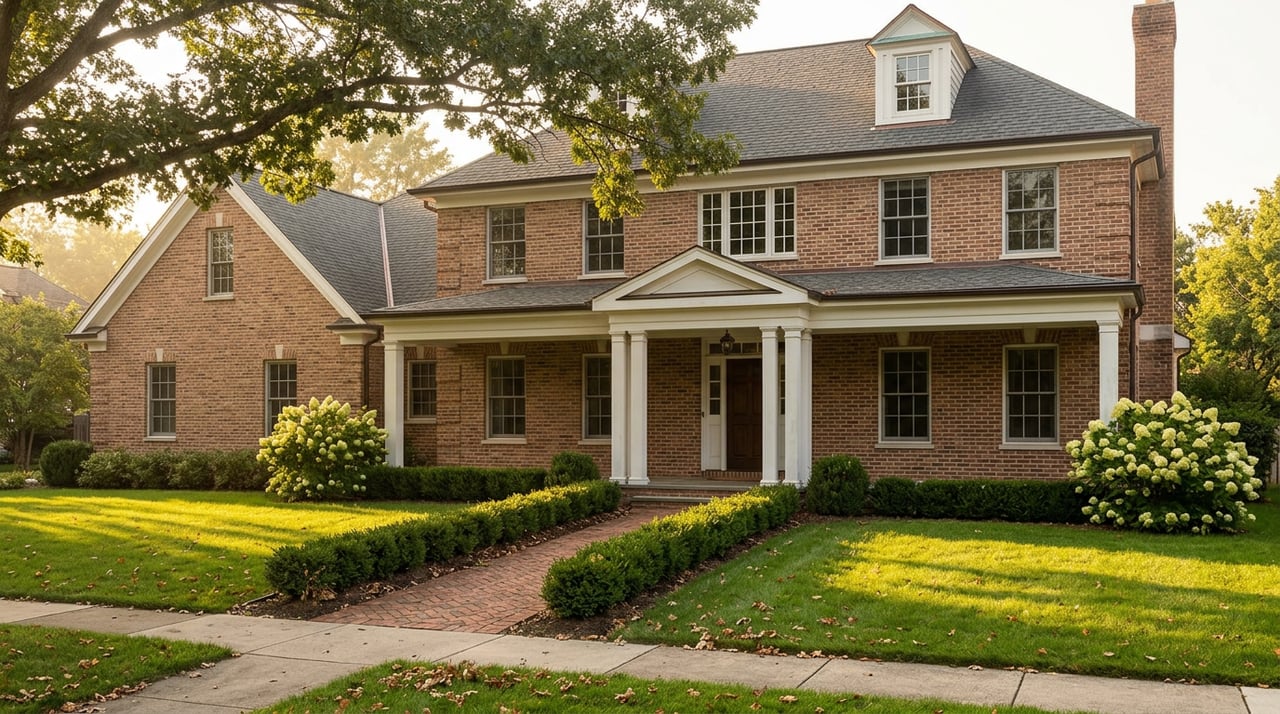
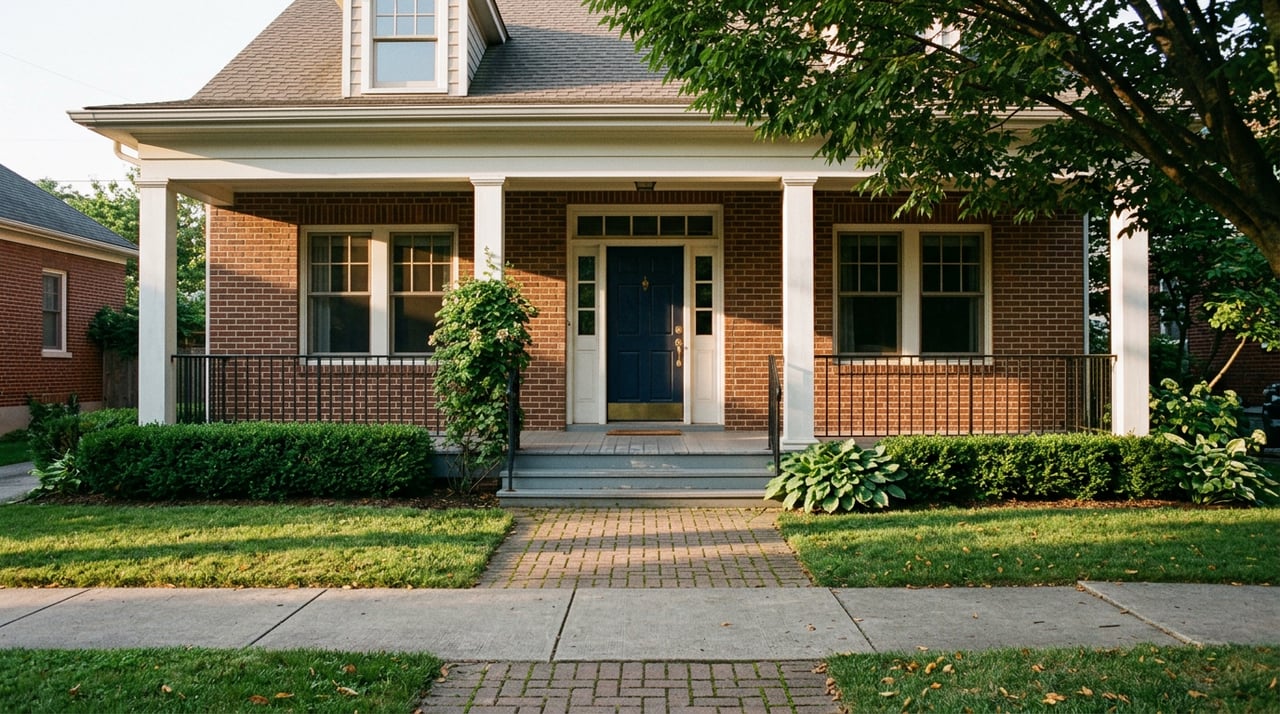
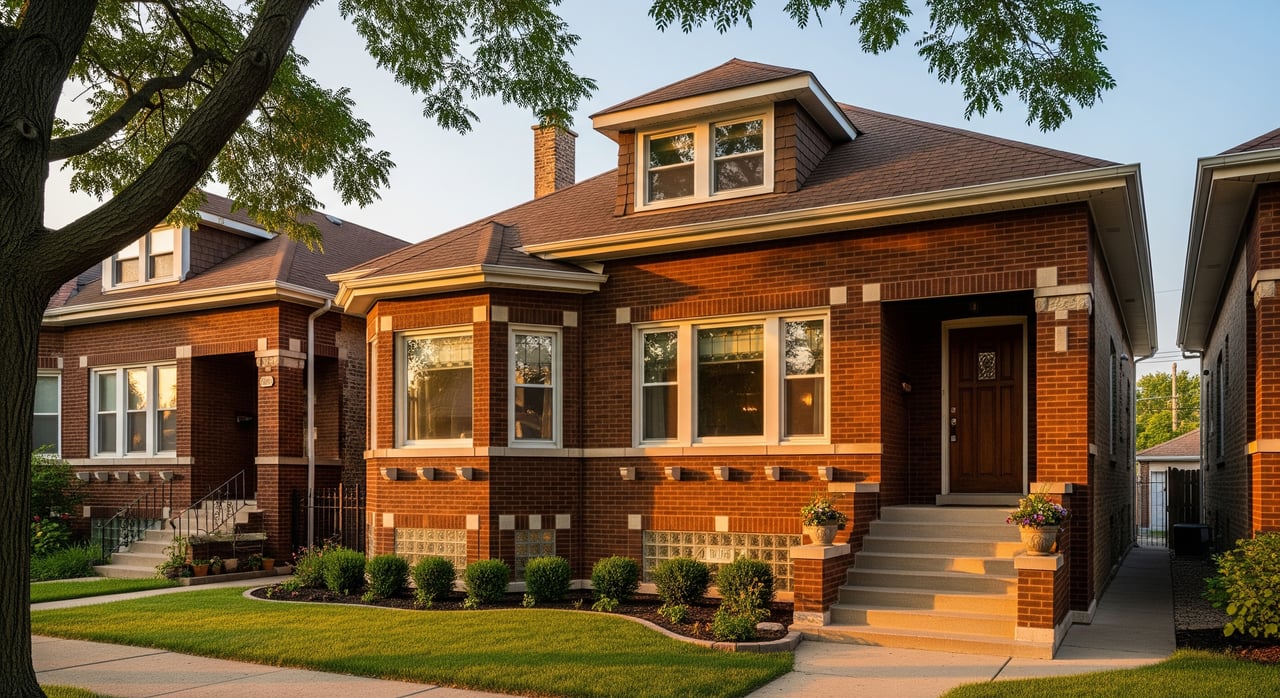
Chicago bungalows were built mainly in the 1910s through the 1930s as modest, owner-occupied homes during a period of rapid growth. They are typically brick, one to one-and-a-half stories from the street, and sit on narrow city lots, often around 25 feet wide. You will often see a raised basement, a gently sloped roof with a prominent front dormer, and large front windows that bring in natural light.
Inside, these homes are compact but functional. Many feature original woodwork, built-ins, and hardwood floors that give the house warmth and character. Expect a full basement, a small front or enclosed porch, and a backyard with alley access where detached garages are common.
Typical layouts and sizes
Most bungalows offer 1 to 1.5 stories above a full basement. Finished square footage commonly ranges from about 1,000 to 1,800 square feet, depending on whether the dormered second floor and the basement are finished. Rooms tend to be smaller than modern suburban homes but are well-proportioned and connected.
Layouts usually begin with a front living room and a formal dining room, followed by a rear kitchen. Many include a rear entry or mudroom leading to the backyard or porch. Stairs to the upstairs level are often near the front hall. Depending on the house, you may find a main-floor bedroom or den.
A quick walk-through
- Entry into a sunporch or living room with large front windows.
- Living flows to a formal dining room, then to a compact rear kitchen.
- Rear door leads to a porch and backyard with alley access to a detached garage.
- Upstairs, dormers increase headroom for 2 to 3 modest bedrooms and a full bath.
- Downstairs, a full basement may be unfinished or finished as a family room, office, or second kitchen.
Value drivers on the Northside
Location is the top driver. Proximity to CTA or Metra lines, parks and green space, schools, and neighborhood retail can influence demand and price. Within the lot, wider lots and deeper backyards increase appeal, and finished space in the dormer or basement adds usable living area.
Condition and systems are critical. Buyers value modern HVAC, updated electrical service, well-maintained roofs, and updated plumbing. Many older homes still have aging components, so documented upgrades help protect value. Kitchens and baths also carry outsized weight. Thoughtful updates that fit the original flow tend to broaden buyer appeal.
Original features can be a plus. Preserved hardwood floors, built-ins, stained or leaded glass, and original millwork often draw strong interest. Off-street parking matters too. A two-car garage or covered parking can be a meaningful premium in parts of the Northside where street parking is tight.
Red flags that hurt value
Watch for water intrusion, poor grading, or chronic basement dampness. Signs include efflorescence on walls or water stains. Roof issues, sagging dormers, and evidence of structural movement can also be costly.
Deferred maintenance is another warning sign. Very old furnaces, knob-and-tube wiring, fused panels, and original drain lines can signal bigger capital needs. In pre-1978 homes, lead-based paint may be present. If you plan to disturb painted surfaces, budget for lead-safe work practices.
Renovations that pay off
Kitchens, bathrooms, and finished basements usually deliver the broadest appeal. In many Northside markets, finishing the basement to add a flexible family room or home office can increase functional living space. Just be sure to address moisture control and proper egress if you intend to use bedrooms below grade.
Respect the character where you can. Restoring woodwork, matching window profiles, and preserving stained glass can help protect value with buyers who love period details. Keep neighborhood price ceilings in mind so you do not over-improve beyond comparable homes.
When you need more space, consider rear additions or dormer expansions that add bedrooms or a bath without changing the street-facing façade. Narrow lot widths limit lateral expansion, so many owners build to the rear or up. Alley access usually makes garage replacement feasible, subject to local constraints.
Permits, codes, and historic review
Before starting work, confirm whether the home is in a local landmark district. Exterior changes, such as window replacements, porch modifications, or visible masonry work, may require review by the Commission on Chicago Landmarks. If the property is not landmarked, standard City of Chicago permits and inspections still apply.
Most structural changes, additions, dormers, and porch enclosures require permits. Electrical, plumbing, and HVAC work should be performed by licensed contractors under permit. Ask for permit history on prior alterations so you understand what was approved and inspected.
Plan for older-home realities. Electrical upgrades may be needed if you find knob-and-tube wiring or fused panels. Many older Chicago homes have cast-iron or clay drain lines, so a sewer camera inspection is often recommended before purchase. Insulation, single-pane windows, and older heating equipment can increase operating costs, so budget for energy efficiency improvements over time.
Buyer checklist: Northside bungalows
Use this quick list to focus your search and inspection.
- Request permit history and documentation for additions or finished basements.
- Inspect roof and dormer framing, masonry and tuckpointing, and basement for moisture or prior mitigation.
- Consider a sewer camera inspection and radon testing.
- Verify furnace and water heater age, electrical panel capacity, and whether any knob-and-tube wiring remains.
- Review lead paint disclosures for pre-1978 homes and plan lead-safe practices if you will renovate.
- Evaluate parking: garage size, alley condition, and any local parking rules.
- Confirm zoning and whether the property sits within a local historic or landmark district that could affect exterior changes.
Seller prep: smart pre-list moves
A few targeted steps can help your bungalow stand out.
- Make mechanicals reliable and documented. Service or replace aging HVAC, update electrical where needed, and address plumbing concerns.
- Tackle moisture and drainage. Clean gutters, extend downspouts, improve grading, and service sump pumps to reduce basement dampness.
- Refresh with character in mind. Refinish hardwoods, repair original woodwork, and preserve stained glass if present.
- Update kitchens and baths in line with neighborhood comparables. Aim for clean, functional, and proportionate rather than luxury overreach.
- Organize permits and warranties so buyers can review your diligence with confidence.
Neighborhood notes
Chicago bungalows are scattered across many Northside and near-north areas developed in the early 20th century. Demand tends to be steady where there is good access to transit, parks such as Irving Park or Lincoln Park, schools, and local retail corridors. Because values are block sensitive, your best guide is a set of nearby bungalow comparables that match your home’s finish level and usable square footage.
Remember that a finished dormer or basement, a two-car garage, and documented system upgrades can change where your home sits relative to the competition. Buyers will compare the overall package: location, space, condition, and character.
Final thoughts and next steps
A Chicago bungalow offers a practical, flexible way to live on the Northside with real architectural charm. The key is to balance preservation and modernization so you gain comfort without losing character. Focus on system reliability, moisture control, and proportionate kitchen and bath updates, then consider expanding with a dormer, rear addition, or finished basement as your needs grow.
If you want a clear, local read on value, renovation choices, and comps on your block, connect with Christopher Demos for a tailored plan. You will get hands-on guidance, transparent next steps, and a strategy that fits your timeline and budget.
FAQs
Are Chicago bungalows good for families?
- Yes. The layouts are compact but functional, with yards and access to parks and schools that many families find practical, though many homes started with just one full bath.
Can I add a second bathroom or enlarge the kitchen in a Chicago bungalow?
- Often yes. Expect permit review and plan for electrical and plumbing upgrades; rear additions, dormer expansions, and basement conversions are common solutions.
Is finishing the basement in a Chicago bungalow worth it?
- Frequently. It increases usable living space and appeal, but you must address moisture control, egress, and any requirements for legal bedrooms.
Do historic rules in Chicago prevent window or porch changes on bungalows?
- Possibly. Homes in local landmark districts may need review by the Commission on Chicago Landmarks for exterior changes; otherwise, standard city permits apply. Always confirm before you start work.