Buying your first condo in Chicago can feel simple until you realize you are not just buying the unit. You are also buying into a building, an association, a budget, and a set of rules that can shape your day-to-day ownership experience. If you are looking at condos on Chicago’s North Side or comparing options across the city, this guide will help you understand what to review before you make an offer and how to budget with more confidence. Let’s dive in.
Why condo ownership is different
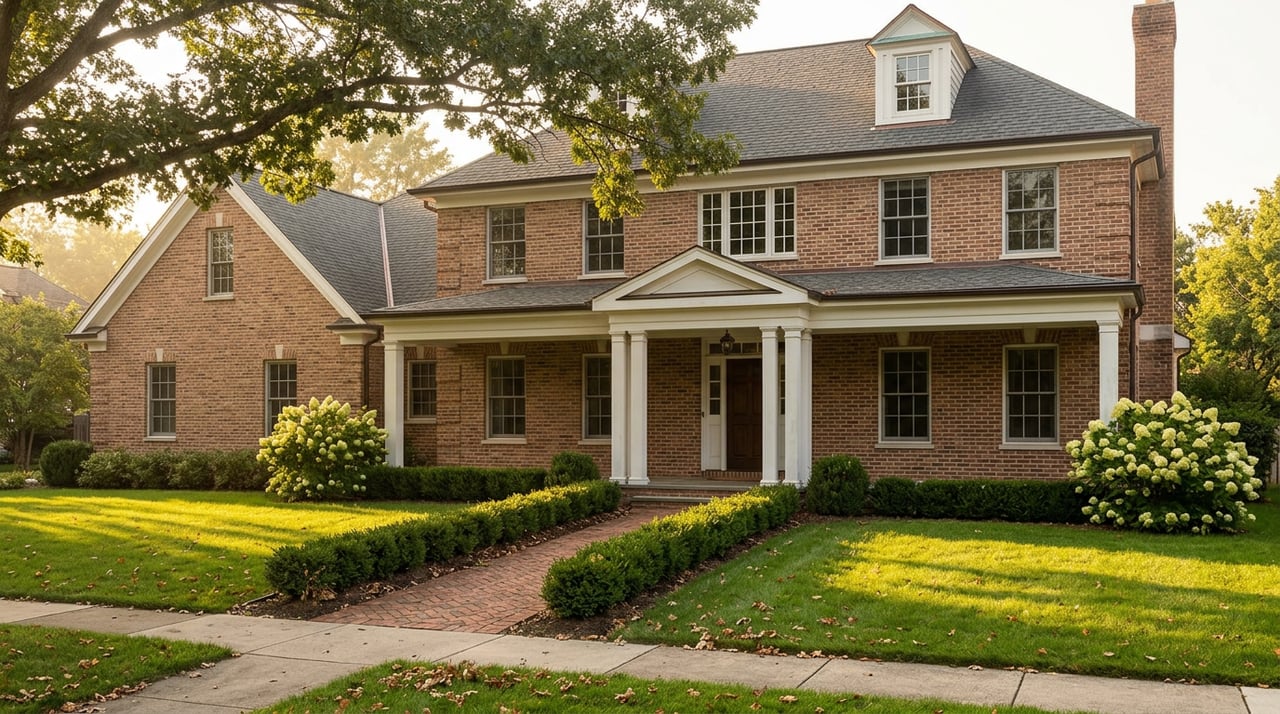
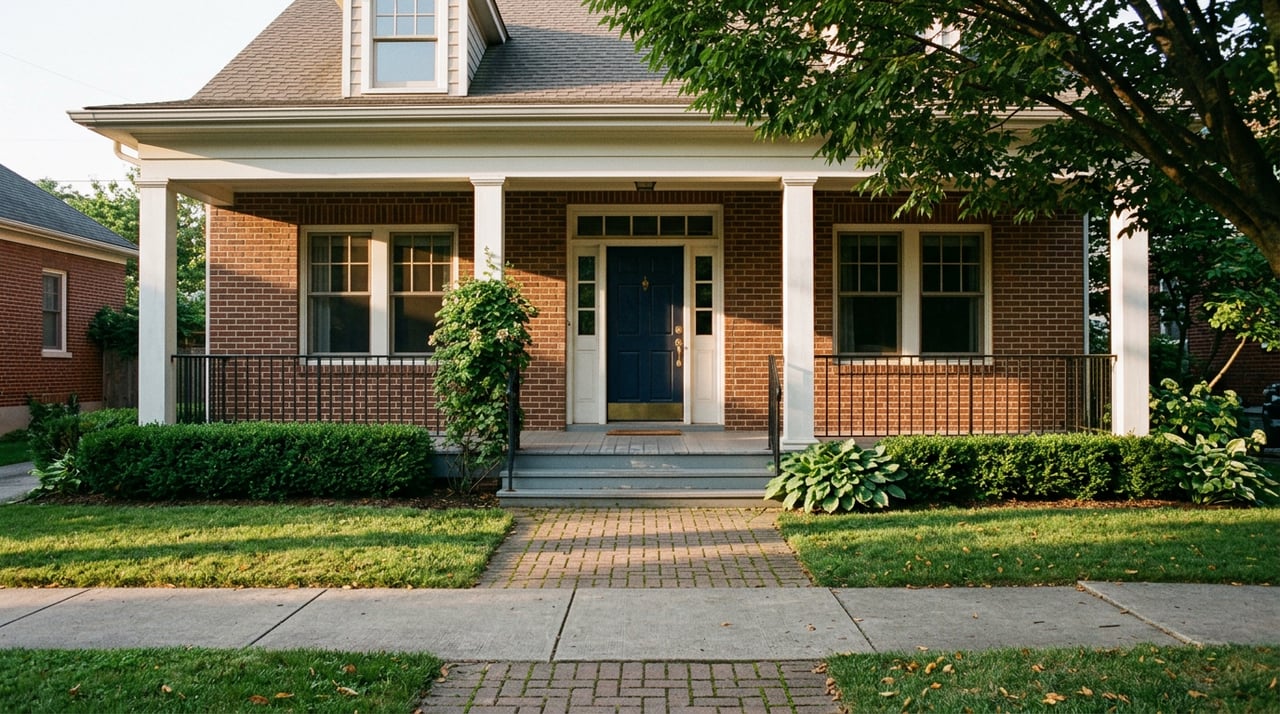
In Illinois, a condominium is a form of ownership, not a building type. That means a condo could be a high-rise unit, a townhouse-style home, a duplex, or a unit in a three-flat.
For you as a first-time buyer, that matters because the financial and legal setup may affect your experience as much as the floor plan or finishes. Two homes can look very different but still function similarly as condos, while two homes that look alike can come with very different association obligations.
Why location labels need care in Chicago
If you are searching by ZIP code, it helps to know that Chicago’s ZIP boundaries and neighborhood boundaries are not the same thing. The city notes that neighborhood names and boundaries are approximate, and ZIP codes are mapped separately.
That is why it is smart to focus on the exact building, block, and surrounding amenities instead of assuming a ZIP code neatly matches a neighborhood label. In practical terms, your decision should come down to the property itself, the association, and the location details that matter to your routine.
What you actually own in a condo
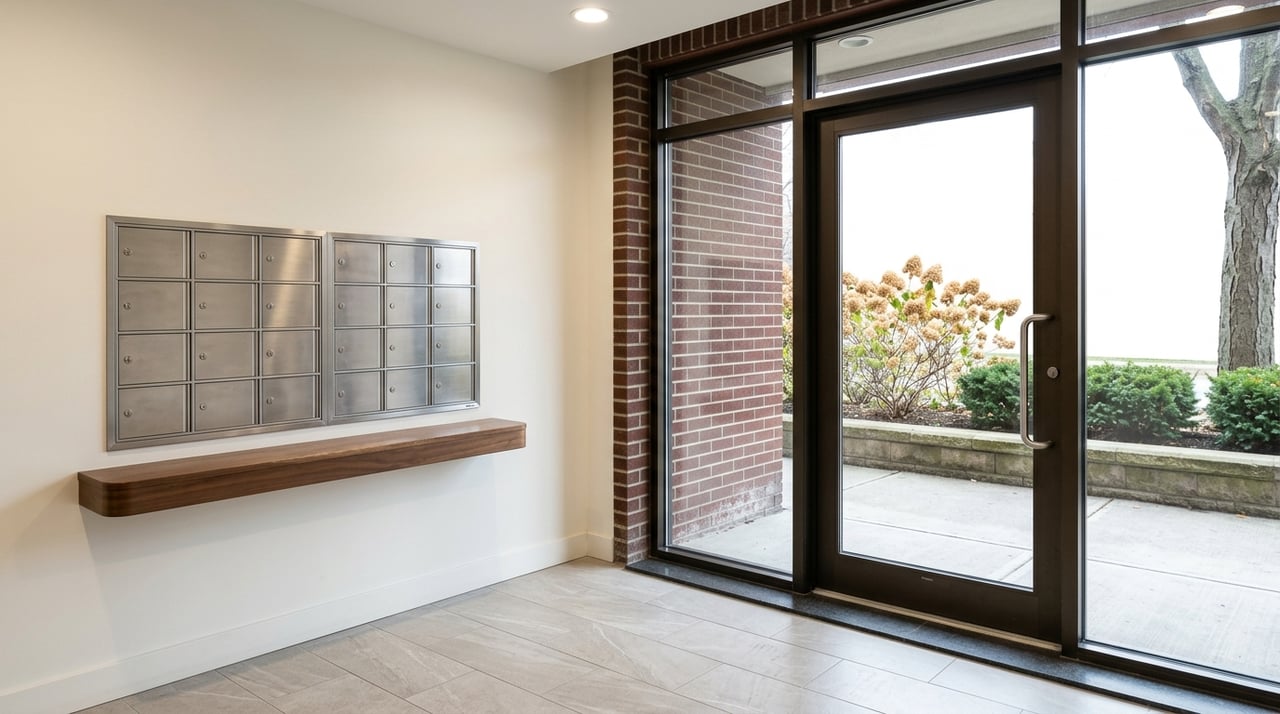
When you buy a condo, you usually own the interior of your unit plus a share of the common elements. Common elements can include the foundation, hallways, stairways, entrances, roofs, wiring, utility lines, central heating and air systems, exterior walkways, driveways, and landscaping.
Some buildings also have limited common elements. These are shared-property areas reserved for the exclusive use of one or a few units, such as balconies, patios, terraces, or parking spaces.
This is one of the biggest mindset shifts for first-time buyers. In a condo, major building systems are often maintained through the association, and their costs are typically shared through assessments.
How condo associations affect daily life
A condo association does more than collect monthly dues. Under Illinois law, the board manages the common elements and can adopt and amend rules for how the property operates, as long as those rules do not conflict with the law or the condo documents.
That means your ownership comes with a community structure. The board may have authority over building operations, maintenance standards, and certain use rules, and it may access units when needed for repairs, maintenance, replacement work, or emergencies affecting common elements or other units.
Associations may also levy reasonable fines after notice and an opportunity to be heard. Unpaid fines can become a lien on an owner’s interest. For a first-time buyer, that is a strong reminder to read the rules carefully before moving forward.
Budget beyond the mortgage payment
One of the most common first-time buyer mistakes is focusing too much on principal and interest. Your real monthly housing cost may also include property taxes, homeowners insurance, and condo assessments.
Those monthly dues can materially change affordability. Depending on the building, dues may range from a few hundred dollars per month to well over one thousand dollars.
Before you decide what feels comfortable, build your budget around the full monthly cost. A condo that looks affordable at first glance may feel very different once dues and possible future assessments are part of the picture.
Understand monthly assessments
In Illinois, each unit owner pays a share of common expenses, generally based on their percentage interest in the common elements unless the condo documents say otherwise. Those funds help cover shared costs across the property.
Depending on the building, monthly assessments may support items like exterior maintenance, shared utilities, landscaping, hallway cleaning, roof work, or larger building systems. What matters most is not just the amount, but whether the budget appears realistic for the property’s actual needs.
Why reserves matter so much
A well-run condo association plans for future repairs, not just current bills. Illinois law requires budgets adopted after July 1, 1990 to provide for reasonable reserves for capital expenditures and deferred maintenance.
A reserve fund is important because buildings wear down over time. Roofs age, mechanical systems need replacement, exterior components need repair, and common areas require upkeep.
One of the best tools for understanding that risk is the reserve study. Illinois guidance describes it as a type of business plan for maintenance, combining physical and financial analysis of common elements to help determine whether reserves are adequate.
For you, this can be one of the clearest signs of how conservatively a building is managed. Strong reserve planning does not guarantee there will never be extra costs, but it can reduce the chance of surprise catch-up funding.
Special assessments: the cost buyers fear most
When regular assessments are not enough, associations may use special assessments to collect additional funds. These may be due in a lump sum or paid over time.
Special assessments often matter most in buildings that have deferred maintenance, major repair needs, or underfunded reserves. If the roof, façade, parking area, boiler, or elevators need expensive work, owners usually share that burden.
Illinois law gives owners some protection in certain cases. If the current year’s regular and special assessments would exceed 115% of the previous year’s total assessments, owners holding at least 20% of the votes can petition for a meeting, and a majority of total votes can reject the increase unless it is for an emergency or a legally mandated expense.
Still, emergency and legally required projects may move forward without that kind of owner veto. That is why first-time buyers should treat special-assessment risk as a core part of condo due diligence.
Compare building types, not just finishes
Because condos come in many forms, comparing listings based only on style can lead you astray. A newer high-rise, a small walk-up, a converted three-flat, and a townhouse-style condo may each come with very different shared systems and financial needs.
A larger building may have elevators, more mechanical systems, or more extensive common areas. A smaller building may have fewer amenities but a smaller ownership base sharing the costs.
When you compare options, ask practical questions like these:
- What are the major shared systems?
- Who maintains them?
- How much is in reserves?
- Is there a reserve study?
- Has the building had special assessments?
- Is there any pending litigation mentioned in the resale documents?
Those questions often tell you more than upgraded counters or fresh paint.
What to review before making an offer
In an Illinois condo resale, the seller must make available a detailed disclosure package. This set can include the declaration, bylaws, rules and regulations, statements on unpaid assessments and other charges, anticipated capital expenditures for the current and next two fiscal years, reserve fund status, the latest financial statement, pending suits or judgments, insurance information, and certain information about prior alterations or improvements.
The law generally says this information must be furnished within 10 business days of a written request, and the association may charge a reasonable fee up to $375. For a first-time buyer, these documents are not busywork. They are one of the best ways to understand what you are stepping into.
Pay attention to rules and recent minutes
Current rules matter, but so does the direction of the building. Illinois law allows boards to adopt or amend rules after a meeting called for that purpose, with notice that includes the full text of the proposed rules.
That means the rules you see today may not stay exactly the same over time. It is wise to review the current rules and also look at recent board minutes to see whether the association has been discussing repairs, budget pressure, policy changes, or recurring building concerns.
The Illinois condo handbook also notes that members may inspect and copy records such as rules, board minutes for the prior seven years, insurance policies, contracts, books and records for the current and ten preceding fiscal years, and any reserve study, subject to the request rules in the law. Even so, remember that some board discussions may happen in closed session, so minutes may not tell the entire story.
If you plan to use FHA financing
If you are buying with FHA financing, the building itself can affect whether your loan can close. HUD states that FHA-insured condominium loans are available for units in FHA-approved projects or in projects that qualify for single-unit approval.
Project review can include factors such as insurance coverage, financial condition, title, pending legal action, and the property’s physical condition. That makes it important to confirm financing eligibility early, especially if you are comparing multiple buildings.
A smart first-time condo checklist
Before you commit to a condo, make sure you can answer these questions clearly:
- What do the monthly assessments cover?
- How much is in reserves?
- Is there a current reserve study?
- Have there been recent or planned special assessments?
- What major repairs or capital projects are expected?
- What are the key association rules?
- What do recent board minutes suggest about building issues?
- Are there unpaid assessments, litigation, or major insurance concerns?
- If using FHA financing, is the project eligible or likely to qualify?
If any of those answers feel vague, pause and dig deeper. In condo buying, clarity is often what protects your budget after closing.
Final thoughts for Chicago first-time buyers
Your first condo can be a smart path into homeownership, but only if you evaluate the whole picture. The right purchase is not just a stylish unit in a convenient location. It is also a building with understandable rules, realistic budgeting, and an association structure you feel comfortable joining.
When you approach condo buying this way, you are far more likely to avoid surprises and make a decision that fits both your lifestyle and your finances. If you want experienced, hands-on guidance as you compare condo options across Chicagoland, connect with Christopher Demos for clear advice and a smooth buying process.
FAQs
What does condo ownership include in Illinois?
- Condo ownership in Illinois typically includes your unit plus a share of the common elements, which may include items like hallways, roofs, foundations, utility lines, and other shared parts of the property.
What should first-time condo buyers review before making an offer in Chicago?
- You should review the resale disclosure documents, including the declaration, bylaws, rules, financial statements, reserve information, anticipated capital expenditures, insurance details, and any disclosed lawsuits or judgments.
Why are condo reserves important for first-time buyers?
- Reserve funds help pay for future major repairs and replacements, and stronger reserves may reduce the risk of sudden large costs being passed to owners through special assessments.
Can condo rules change after you buy?
- Yes. Illinois law allows condo boards to adopt or amend rules through the required meeting and notice process, so buyers should review both current rules and recent board activity.
What is a special assessment in an Illinois condo building?
- A special assessment is an additional charge collected by the association when regular assessments are not enough to cover needed expenses, and it may be due as a lump sum or through installment payments.
Does FHA financing matter when buying a Chicago condo?
- Yes. FHA financing may depend on whether the condo project is FHA-approved or qualifies for single-unit approval, so financing eligibility should be checked early in the process.