If you are looking at small commercial property in 60607, you are not shopping a generic “west side” market. You are really looking at the Near West Side and West Loop edge, where redevelopment, foot traffic, and a wide mix of businesses shape what can work. That creates real opportunity, but it also means you need to underwrite carefully, verify the details, and match the asset to the right tenant or business plan. Let’s dive in.
Why 60607 stands out
The 60607 ZIP code sits in a part of Chicago closely tied to the West Loop, Fulton Market, Greektown, Little Italy, University Village, and nearby Near West Side districts represented by the West Central Association. This is an active investment area, not a static one, with ongoing business growth and redevelopment.
That local context matters because small commercial investing here is driven by street-level activity, mixed-use buildings, and neighborhood-serving businesses. In other words, the value story is often tied to location, use, and flexibility more than to raw building size alone.
Census Reporter’s 2024 ACS profile shows 60607 has 32,392 residents across 2.3 square miles. It also reports a median household income of $127,732, bachelor’s degree attainment of 81.7%, and 34.1% of residents moving within the prior year.
For investors, those numbers suggest a dense, highly educated, comparatively high-income, and mobile local customer base. That tends to support convenience retail, food and beverage, wellness, medical, and professional service tenants that benefit from repeat visits and steady neighborhood use.
Small commercial types in 60607
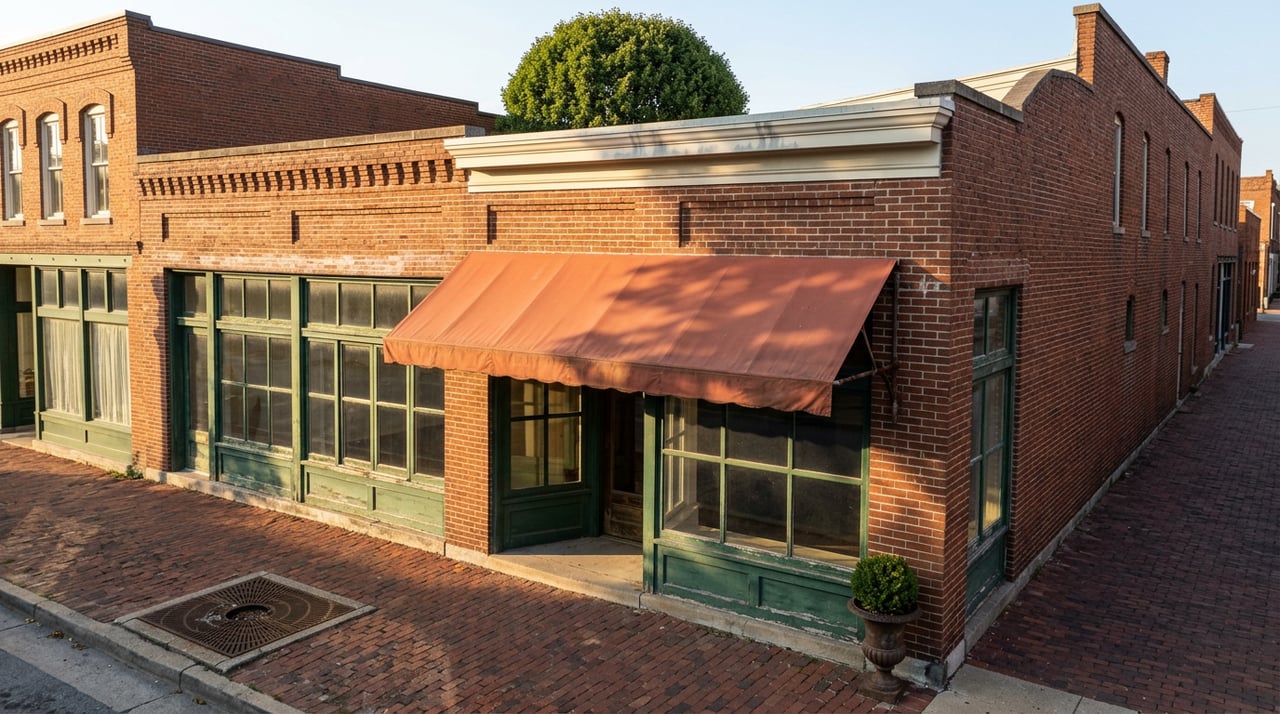
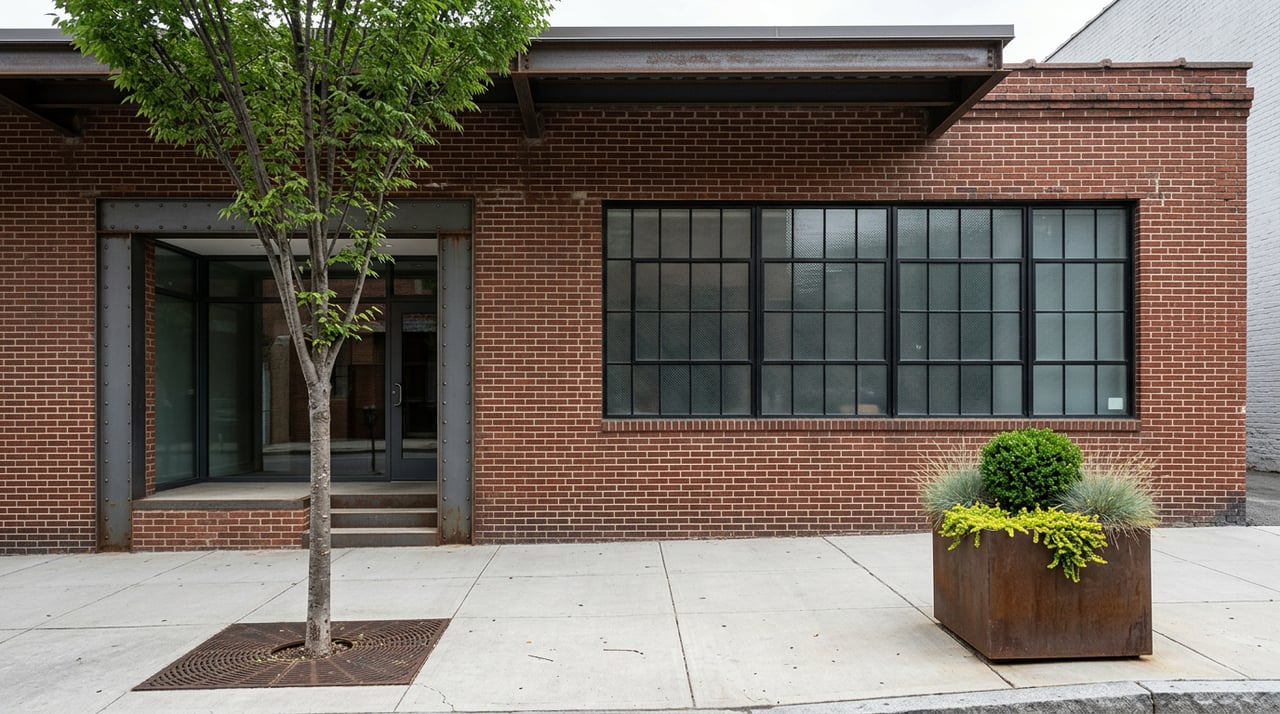
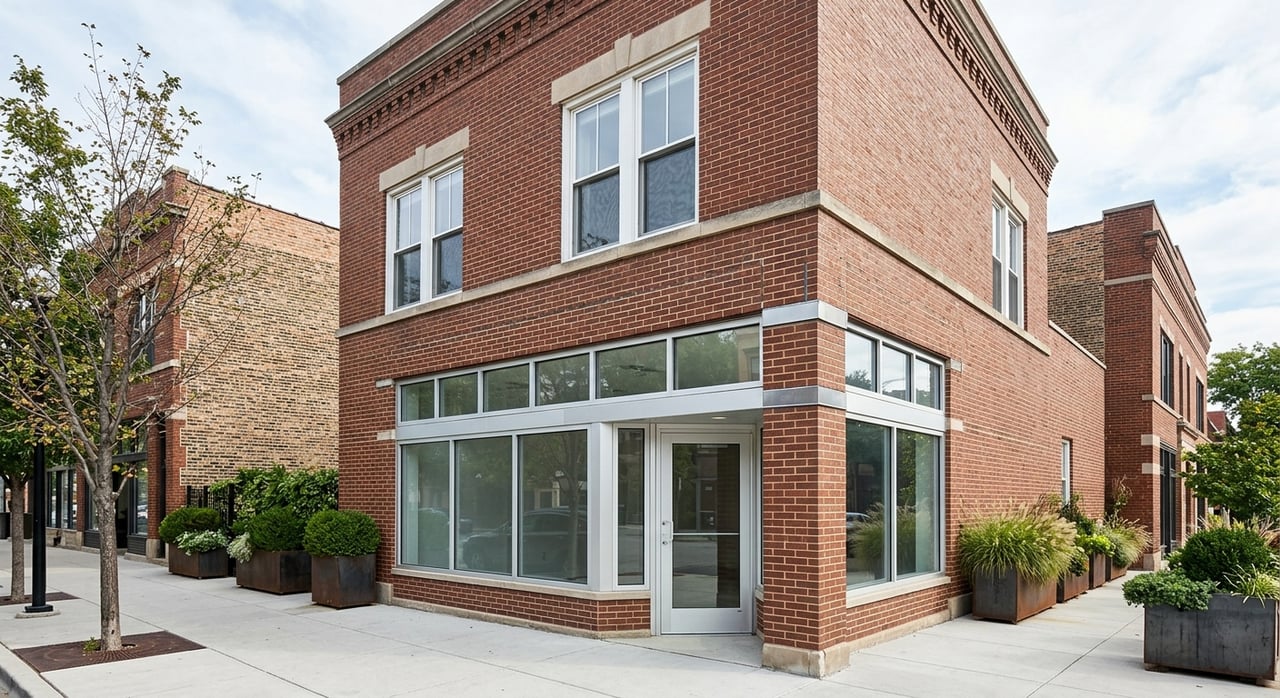
In this pocket of Chicago, small commercial does not mean just one thing. You may be looking at a one-story storefront, a two- or three-story mixed-use building, a commercial condo, a small office-retail space, or a ground-floor space already built for restaurant use.
Cook County’s classification guide gives a useful snapshot of the property types investors commonly encounter. Those classes include mixed-use buildings with six units or fewer and under 20,000 square feet, mixed-use buildings with seven or more units under 20,000 square feet, one-story commercial buildings, two- or three-story retail or commercial buildings, and commercial condominium units.
That matters because the building type is not just a description. It can affect how the property is assessed, how you model expenses, and how attractive the space may be to future tenants or owner-users.
Tenant demand is broader than office or retail
A common mistake is to think about 60607 small commercial property as either pure office or pure retail. In reality, the current business mix is much broader.
West Central Association member listings in and around 60607 include restaurants and bars, hotels, fitness operators, medical and dental users, banks, architects, signage and print shops, creative firms, and professional offices. That range tells you something important: successful small commercial space here often serves neighborhood convenience, specialized services, or destination demand.
If you are evaluating a deal, it helps to ask a practical question first. Who is the likely user of this space, and why would they choose this block or corridor? That simple question can sharpen everything from your rent assumptions to your renovation budget.
Mixed-use buildings need closer review
Mixed-use properties can look straightforward from the street, but the numbers are often more complex than they seem. In Cook County, a mixed-use building may fall into a specific class if it meets the rules for size, unit count, and commercial area.
If it does not fit those rules, the Assessor says the residential portion is assessed under the appropriate residential class and the commercial portion is assessed as commercial property. That means the use split and square footage mix are not minor details. They are a core part of underwriting.
For you as a buyer, this is where due diligence becomes especially important. You want to confirm how much of the building is residential, how much is commercial, and whether the classification matches the actual use.
Taxes can change the return quickly
Property taxes are one of the biggest reasons small commercial underwriting in Cook County needs precision. The Cook County Assessor says residential and apartment property is generally assessed at 10% of market value, while most other commercial property is assessed at 25%.
That difference can materially change your holding costs and projected return. A building that appears to be a simple mixed-use investment may perform very differently depending on how the property is classified and valued.
The Assessor also notes that factual errors such as incorrect classification, square footage, or building measurements can affect value. Before you price a deal with confidence, verify the PIN, class code, square footage, and residential-versus-commercial mix.
Lease structure matters more than headline rent
One of the biggest differences between residential and commercial investing is how leases handle expenses. In commercial property, the rent number alone rarely tells the full story.
Gross and net leases shift costs differently between landlord and tenant. Net leases can require the tenant to pay some or all of the property taxes, insurance, repairs, utilities, and maintenance in addition to base rent, while modified gross leases can split those obligations in more customized ways.
For storefront, retail, and restaurant space, that can be especially important. A higher base rent is not always better if the lease terms are weak, and a lower base rent is not always a bargain if ownership is carrying too many expenses.
Underwrite occupancy cost, not just rent
When you compare two small commercial properties, it helps to think beyond price per square foot. The stronger approach is to model total occupancy cost and total ownership burden.
That means reviewing:
- Base rent
- Property tax exposure
- Insurance costs
- Utilities
- Repairs and maintenance
- Any common area or operating expense pass-throughs
- Vacancy assumptions
- Lease-up time
- Tenant improvement or buildout contributions
If the property is tenant-occupied, look closely at whether the business can realistically support the occupancy cost. If the property will be owner-user occupied, compare your financing and operating costs against the business use you have in mind.
Zoning is address-specific in Chicago
In a market like 60607, it is easy to assume a use is allowed because a nearby building has something similar. Chicago does not work that way.
The city’s zoning map help page says zoning designations are parcel-specific and cannot be effectively shown at a neighborhood level. The city also notes that map information is approximate, which means you should verify zoning by exact address, PIN, or intersection before you assume a use is permitted.
This is especially important if you are buying for a specific business type, planning a change of use, or counting on future leasing flexibility. A great-looking deal can become a frustrating one if zoning does not support your plan.
SBA financing may fit owner-users
If you plan to operate your own business from the property, SBA-backed financing may be worth exploring. According to the SBA, 7(a) loans can be used to acquire, refinance, or improve real estate and buildings, with a maximum loan amount of $5 million.
The SBA’s 504 program offers long-term fixed-rate financing up to $5.5 million for existing buildings, land, new facilities, and improvements. However, the 504 program cannot be used for working capital or speculation or investment in rental real estate.
The key distinction is simple. If you are an owner-user, SBA options may open useful paths. If you are buying strictly as a rental investment, that is a different lane.
When to bring in professionals
Small commercial deals reward preparation. They also punish assumptions.
The clearest times to bring in experienced help are before signing a letter of intent or lease, before closing on a mixed-use or owner-user property, before choosing an SBA loan structure, and anytime the building’s use mix or tax classification could change the economics of the deal.
A strong commercial advisor can help you pressure-test the lease structure, review the likely tax treatment, verify zoning, and think through tenant fit before the deal gets to the attorney and lender. That kind of early discipline can save you time, money, and unnecessary risk.
A practical 60607 investor checklist
Before you move forward on a small commercial opportunity in 60607, make sure you can answer these questions clearly:
- What exact property type are you buying?
- Is the building fully commercial, mixed-use, or a commercial condo?
- What is the current Cook County class code?
- Does the square footage and use mix appear accurate?
- What are the real tax implications of that classification?
- What lease structure is in place or most likely?
- What expenses stay with ownership versus the tenant?
- Is the zoning verified by exact parcel or address?
- Is the likely tenant mix realistic for this block?
- Are you buying as an investor or as an owner-user?
If you can answer those questions with confidence, you are already ahead of many first-time small commercial buyers.
The bottom line on West Side small commercial
Small commercial investing in 60607 can offer compelling opportunities, especially when you focus on flexible spaces, realistic tenant demand, and disciplined underwriting. This part of Chicago benefits from density, strong local spending power, and a business mix that supports neighborhood services, destination uses, and mixed-use formats.
The flip side is that details matter here. Tax classification, lease structure, zoning, and true occupancy cost can all move the return profile more than many buyers expect.
If you are considering a storefront, mixed-use building, commercial condo, or owner-user space on Chicago’s Near West Side or West Loop edge, working with an experienced advisor can help you move with more clarity. For thoughtful guidance on Chicagoland commercial opportunities, connect with Christopher Demos.
FAQs
What kinds of small commercial properties are common in 60607?
- Common property types in 60607 include one-story storefronts, two- and three-story mixed-use buildings, commercial condo units, small office-retail spaces, and restaurant-ready ground-floor spaces.
Why does property classification matter for 60607 commercial investing?
- In Cook County, classification can affect how a property is assessed and taxed, especially for mixed-use buildings where the residential and commercial portions may be treated differently.
What should you review in a 60607 commercial lease?
- You should review the lease structure carefully, including base rent, who pays taxes, insurance, repairs, utilities, maintenance, and any operating expense pass-throughs.
How should you verify zoning for a 60607 commercial property?
- Chicago zoning should be verified by exact address, PIN, or intersection because zoning is parcel-specific and cannot be assumed from the broader neighborhood.
Can you use SBA financing for a 60607 commercial purchase?
- SBA financing may work for owner-user purchases, but the 504 program cannot be used for speculation or investment in rental real estate.
What is the biggest underwriting mistake in small commercial deals?
- A common mistake is focusing on headline rent alone instead of modeling total occupancy cost, including taxes, insurance, utilities, repairs, vacancy, and buildout needs.