If you picture lakefront living as a simple matter of buying near the water and heading to the beach whenever you want, Winnetka may surprise you. Along Chicago’s North Shore, lake life in 60093 is beautiful, but it is also structured by seasons, access rules, preservation standards, and a housing market defined by large, older homes. If you are thinking about buying or selling here, understanding those details can help you make smarter decisions with fewer surprises. Let’s dive in.
What lakefront living means in Winnetka
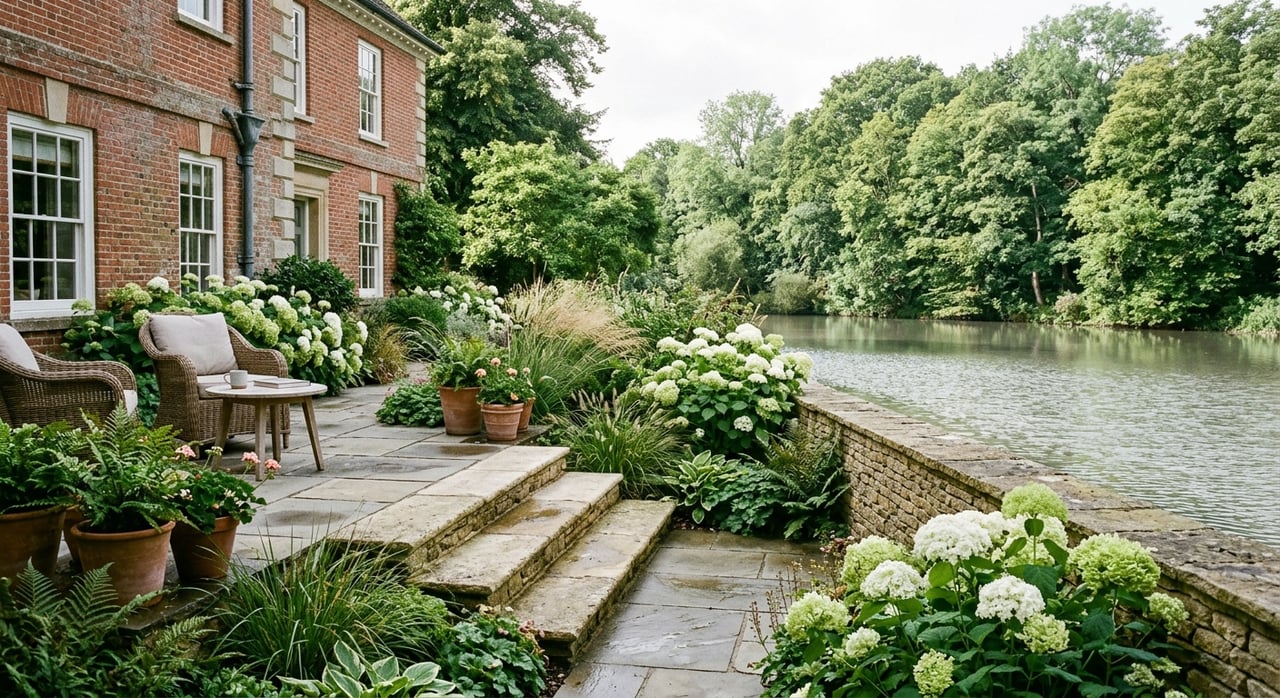
In Winnetka, lakefront living is about more than a view of Lake Michigan. It includes how you use the shoreline, where you park, which beaches allow swimming, and what rules may apply if a property sits directly on the lake or bluff.
The Village of Winnetka describes the community as tree-lined, beach-oriented, park-rich, and centered around three downtown districts anchored by Metra stations. That mix gives the village a polished residential feel with real lake access, but not in the casual, open-ended way some buyers expect from a beach town.
Winnetka beaches and lake access
Winnetka Park District operates five lakefront facilities. Those include Tower Road Beach, Maple Street Beach, Elder Lane Beach, Lloyd Beach with the Stepan Family Boat Launch, and Centennial Beach.
For everyday use, it helps to know that not every waterfront spot works the same way. Tower, Maple, and Elder are the swim beaches. Lloyd is for boating only, and Centennial serves as the dog beach and is open year-round from dawn to dusk, weather permitting, with a valid season pass.
Beach season is highly defined
Winnetka’s lake season runs on a set schedule, not a vague summer window. Current park district operations list Tower Road Beach from May 23 through September 7, Maple Street and Elder Lane from May 23 through August 16, and Lloyd Beach from May 16 through September 13.
That matters if you are comparing homes based on how often you plan to use the shoreline. A house near the water may offer easy proximity, but the actual experience still follows the park district calendar and daily status updates.
Parking rules shape beach access
Beach access in Winnetka is also tied to parking regulations. From May 15 through September 15, parking at Tower Road and Maple Street is restricted to Winnetka residents with a Village sticker.
Non-residents are directed to Hubbard Woods Park and can walk or bike to the beaches. If you are relocating from outside the area, this is one of those practical details that can shape how convenient lake access feels from day one.
Safety affects the lake experience
Lakefront living here is also weather-dependent. The park district advises visitors to watch beach flags, monitor weather conditions, and respect winter shelf-ice warnings.
Swimming is allowed only where lifeguards are on duty at Tower and Maple, and Lloyd Beach does not allow swimming. In other words, access to Lake Michigan in Winnetka is real and valuable, but it is managed for safety and seasonal conditions.
Beyond the beach: parks and outdoor living
Winnetka’s outdoor lifestyle goes beyond the shoreline. The Winnetka Park District operates 27 parks across more than 242 acres, which adds depth to the local recreation picture.
The village also highlights nearby access to the Skokie Lagoons and Cook County forest preserve land for picnicking, trail hiking and riding, horseback riding, fishing, and birdwatching. For many buyers, that broader outdoor network is part of the appeal of North Shore living, especially if you want both lake access and green space woven into daily life.
Winnetka housing has a distinct character
The housing stock in Winnetka is a major part of what makes lakefront and near-lake living feel different from many suburban markets. CMAP data shows that 87.2% of housing units are detached single-family homes, and 92.2% of occupied units are owner-occupied.
This is a market where detached homes clearly define the residential landscape. It is also a place where house size and architectural presence often play a central role in buyer expectations and seller positioning.
Older homes are common
Winnetka has a notably mature housing stock. CMAP reports that 51.1% of homes were built before 1940, with a median year built of 1938.
That age can be part of the charm, especially in neighborhoods near the lake where architectural detail and established streetscapes often stand out. It also means buyers should expect variety in condition, layout, and renovation history rather than a uniform inventory of newer homes.
Large floor plans are typical
Space is another defining feature. The median Winnetka home has 10 rooms, while 38.0% of homes have four bedrooms and 37.2% have five or more bedrooms.
For buyers, that means the market often delivers substantial living space. For sellers, it means presentation, pricing, and property marketing need to account for both scale and the specific character that sets one home apart from another.
Home values reflect a premium market
Winnetka is firmly positioned as a high-value North Shore market. The village’s 2025 market profile places the median home value at $1,220,418 and the average home value at $1,294,166.
Those figures reinforce what many buyers and sellers already sense on the ground. This is a premium residential market where location, architecture, condition, and lake proximity can all influence value in meaningful ways.
Architecture and preservation matter here
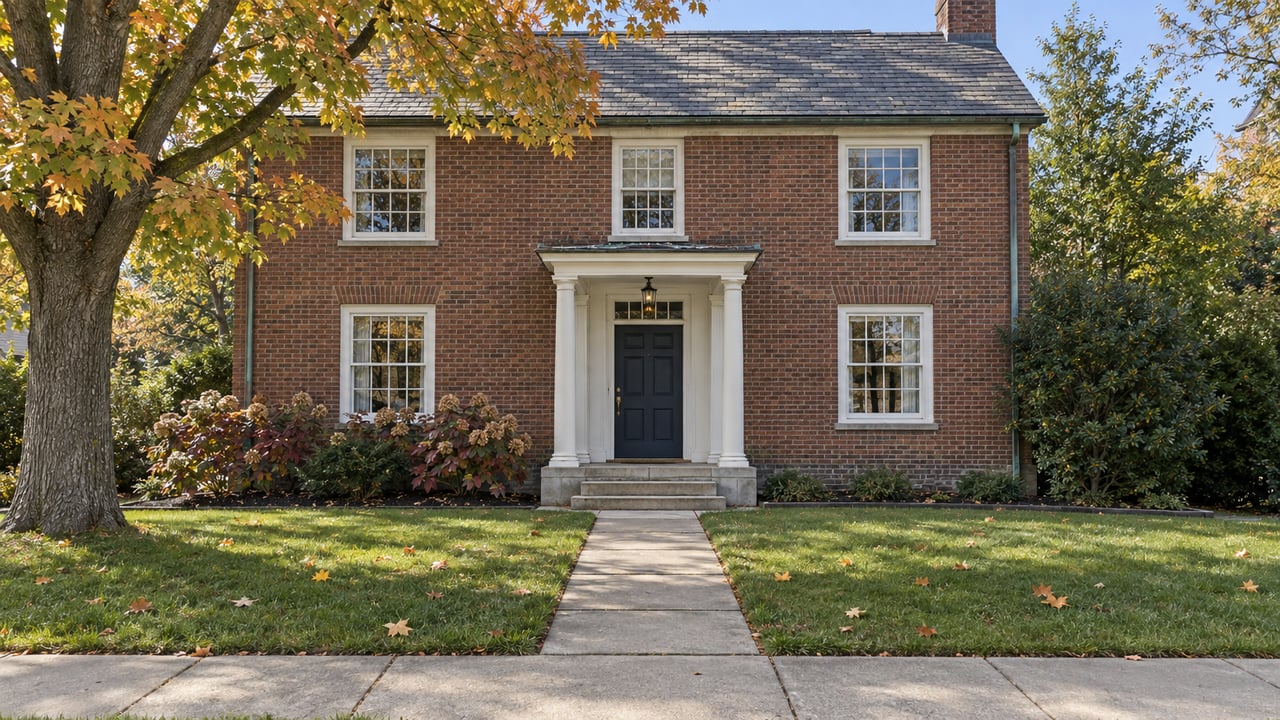
Winnetka is not defined by one single home style. According to the village design guidelines, the community includes a range of architectural styles, with English Tudor as the most prominent, alongside Georgian, Art Deco, Dutch Colonial, and Contemporary homes.
That variety is part of the village’s appeal. It also means buyers often choose not just a location, but a certain type of home character and level of historic detail.
Historic significance can affect property decisions
The Winnetka Historical Society notes that the village has more than 30 National Register and local designated landmark buildings. The village’s landmark list includes lakefront and near-lake examples such as 830 Sheridan Road, 939 Tower Road, 915 Sheridan Road, and 1140 Willow Road.
In addition, the village offers a maximum 20% building size bonus for certain historic or architecturally significant single-family homes. If you are considering a property with historic standing or design significance, that can be relevant to long-term planning, renovation strategy, and resale positioning.
Lakefront ownership is different from lake access
This is one of the most important distinctions in Winnetka. Public beach access and private lakefront ownership are not the same thing.
A home near the beach may give you easier day-to-day access to the shoreline lifestyle without the added complexity that can come with a true lakefront parcel. By contrast, homes directly on the lake may involve additional regulations that inland properties do not face.
Shoreline rules can be more complex
Winnetka has a Lakefront Preservation Overlay District and bluff regulations. The village also notes that Lake Michigan flood elevations vary along the shoreline and that flood zoning can shift to VE in some areas.
For buyers looking at true lakefront property, these are not side notes. They can shape what ownership looks like, how improvements are handled, and what level of due diligence is appropriate before moving forward.
Daily life includes downtowns and transit
Winnetka’s appeal is not limited to the water. The village is organized around three small downtown districts anchored by Metra stations, which creates a steady mix of commuter activity and daytime local use.
That structure gives residents more than a scenic setting. It supports a daily rhythm that blends neighborhood living, local businesses, and practical access to the city and nearby suburbs.
Transit is part of the lifestyle
Winnetka has three Metra Union Pacific North stations: Hubbard Woods, Indian Hill, and Winnetka at Elm Street. The village says these stations provide access to Ogilvie and the West Loop, as well as northbound service to Kenosha, with Pace routes 213 and 423 also serving the area.
CMAP’s commuting snapshot adds useful context. It shows 44.5% of residents drive alone, 18.5% use transit, 27.5% work from home, and the mean commute time is 33.7 minutes.
A year-round community, not just a summer destination
Winnetka’s calendar helps show why the village feels active beyond beach season. The village highlights events such as the farmers’ market from June through October, Winnetka Music Fest, Art in the Village, and the December tree lighting.
That matters because lakefront living on the North Shore is not only about summer recreation. In Winnetka, the appeal is tied to a full residential setting with seasonal shoreline use, established homes, active downtown districts, and a community rhythm that continues throughout the year.
What buyers and sellers should keep in mind
If you are buying in Winnetka, it helps to separate your wish list into three categories: lake views, beach access, and true lakefront ownership. Those are related, but they are not interchangeable, and each comes with a different lifestyle and level of complexity.
If you are selling, the same distinction matters when positioning your property. A home’s value story may center on proximity to beach facilities, architectural character, access to Metra, or the added uniqueness of a regulated lakefront parcel.
In a market like Winnetka, details matter. The more clearly you understand the village’s housing stock, shoreline rules, and seasonal operations, the better prepared you are to evaluate opportunities and market a property with confidence.
If you are considering a move on the North Shore and want a grounded, high-touch approach to evaluating homes, neighborhoods, and market positioning, connect with Christopher Demos for knowledgeable guidance tailored to your goals.
FAQs
What does lakefront living in Winnetka actually include?
- In Winnetka, lakefront living can include beach access, seasonal beach operations, resident parking rules, park district regulations, and for some properties, additional shoreline, bluff, and flood-related rules.
Which Winnetka beaches allow swimming?
- Tower Road Beach, Maple Street Beach, and Elder Lane Beach are the swim beaches, while Lloyd Beach is boating-only and does not allow swimming.
How does beach parking work in Winnetka during summer?
- From May 15 to September 15, parking at Tower Road and Maple Street is limited to Winnetka residents with a Village sticker, while non-residents are directed to Hubbard Woods Park and can walk or bike to the beaches.
What types of homes are most common in Winnetka?
- CMAP data shows Winnetka is dominated by detached single-family homes, which make up 87.2% of housing units, and many homes are older and larger in scale.
Are Winnetka homes generally older or newer?
- Winnetka has an older housing stock, with 51.1% of homes built before 1940 and a median year built of 1938.
What should buyers know about true lakefront property in Winnetka?
- Buyers should know that true lakefront parcels may be subject to the village’s Lakefront Preservation Overlay District, bluff regulations, and shoreline flood-zoning considerations that do not apply to most inland homes.
How do commuters get around from Winnetka?
- Winnetka has three Metra UP-N stations, access to Pace routes 213 and 423, and CMAP reports a mix of driving, transit use, and work-from-home patterns with a mean commute time of 33.7 minutes.