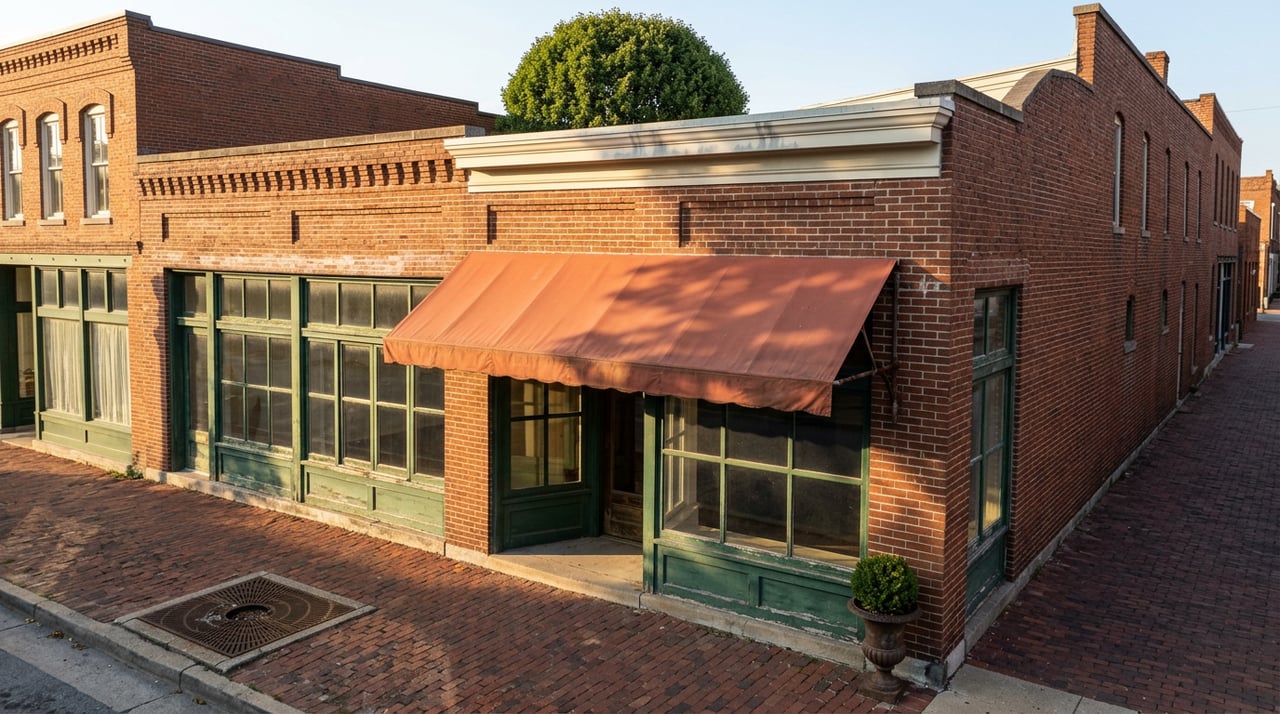
If you have been eyeing lofts in Chicago’s West Side, it is easy to see the appeal. Exposed brick, high ceilings, wide-open layouts, and street-level spaces can look perfect for both living and running a business. But in 60607, the difference between a stylish loft and a legal live-work property comes down to zoning, building code, and the exact documents tied to that unit. This guide will help you understand what to look for, what questions to ask, and where the real opportunities may be. Let’s dive in.
Why 60607 Draws Loft Buyers
60607 has the kind of housing profile that naturally supports loft-style living. According to ACS 2024 5-year estimates, the ZIP code has 32,392 residents in about 2.3 square miles, along with 16,556 households and 17,899 housing units. It is also a market where multi-unit housing dominates, with 93% of housing units in multi-unit structures.
This area also shows signs of a highly mobile, professionally active buyer pool. The median age is 30.8, and 34.1% of residents moved in the prior year. Median household income is $127,732, and 81.7% of residents hold a bachelor’s degree or higher.
In plain terms, 60607 has the density, housing mix, and buyer profile that often line up with demand for loft condos and flexible urban spaces. It also sits near several central Chicago community areas, including the Loop, Lower West Side, Near South Side, Near West Side, and West Town. That location helps explain why the area attracts buyers who want a more flexible city lifestyle.
West Side Loft History Still Matters
Part of the appeal in 60607 comes from the building stock itself. Chicago’s west-side and downtown-adjacent loft story is tied to the reuse of older commercial and warehouse buildings. City landmark materials also connect parts of the West Loop to former warehouse districts along the Chicago River.
That history matters because many buyers are drawn to the character these buildings offer. Large windows, industrial details, and open floor plans often come from adaptive reuse. At the same time, older buildings can come with more questions about legal use, approvals, and building systems.
What “Loft” Really Means in 60607
A common mistake is assuming that any loft-style condo is also a live-work property. In Chicago, that is not the case. A loft can simply be a residential unit with an open layout and industrial design features.
Legal live-work status is something different. It depends on Chicago zoning and building-code compliance, not on marketing language in a listing. That means you should treat the words “loft,” “studio,” or “live-work potential” carefully until the property documents confirm the actual permitted use.
Artist live/work space
Chicago defines artist live/work space as a dwelling unit where up to 50% of the floor area is used for the production, showing, and sale of art. This is a specific use defined by the city. It is not just a broad label for creative space.
Chicago also defines artist work or sales space separately. That category is commercial floor space devoted to producing, showing, or selling art. It is not the same thing as a residential unit.
Business live/work unit
Chicago separately defines a business live/work unit as a space that combines a commercial use with living space for the owner of that commercial establishment and that person’s household. The resident owner must be responsible for the commercial use, and a valid business license is required if the business type calls for one.
This is an important distinction for buyers. If you want to operate a business from your home, the city’s definition matters more than the style of the space.
Chicago Rules Buyers Need to Know
If you are shopping in 60607, a few city rules can quickly narrow what will and will not work for your goals. Since zoning is district-based in Chicago, even two nearby buildings can fall under very different rules. That is especially important in a ZIP code that touches multiple community areas and includes varied development patterns.
Ground-floor location matters
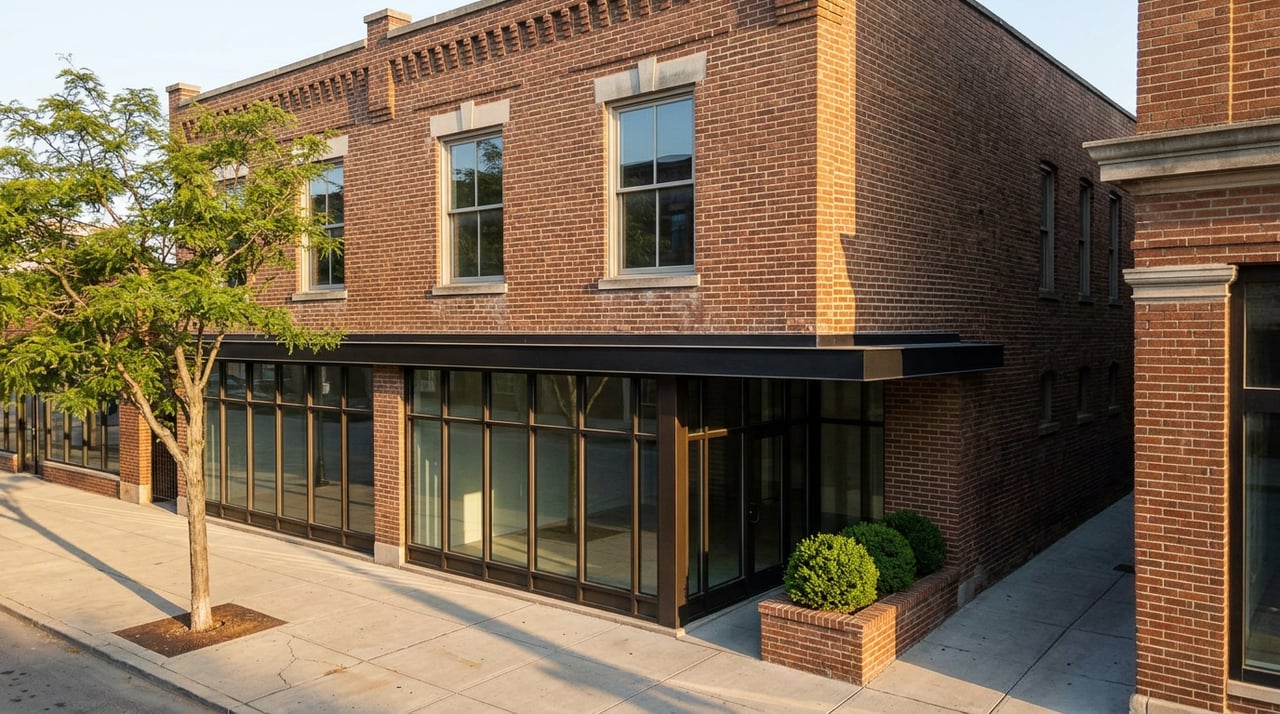
For business live/work units, Chicago requires the unit to be on the ground floor or ground level and at a street-fronting elevation. The commercial area must be directly accessible from the street and oriented toward it. That means many upper-floor lofts, even if they look flexible, will not fit this category.
Size and layout matter too
Chicago requires business live/work units to contain between 800 and 3,000 square feet total. The work area must be at least one-third of the unit or 400 square feet, whichever is greater, and it cannot exceed 50% of the total. The residential portion must be at least 50%.
The work and living areas must remain contiguous and open. The city requires fixed architectural demarcation, such as partial partitions, doors, glazing, or counters. In other words, the space must function as one connected unit while still showing a clear division between business and residential areas.
Some uses are excluded
Not every business can operate in a business live/work unit. Chicago excludes hazardous uses, liquor sales or distribution, restaurants, and commercial food or drink production. The nonresidential area must also include plumbing appropriate to its use.
As a practical matter, lower-intensity owner-operated uses are the most realistic fit. That can include uses like offices, design practices, galleries, artist space, personal services, and certain retail-oriented setups, depending on the zoning district and any applicable licensing requirements.
Leasing and ownership rules apply
Chicago’s rules also limit how these units can be used. No portion of a business live/work unit may be separately leased, subleased, or sold apart from the person living in the unit. At least one resident must operate the business.
That has real implications for buyers, investors, and owner-operators. A property that looks attractive on paper may not fit your plan if your intended use depends on separate occupancy or a business run by someone who does not live there.
Zoning Differences Can Change Everything
In 60607, zoning verification is not optional. Chicago’s zoning map regulates land-use activity by district, and the permitted uses can vary block by block.
For example, artist live/work space is generally permitted above the ground floor in DC, DX, and DR downtown districts. On the ground floor, it is not allowed in DC, requires special use approval in DX, and is permitted in DR. Business live/work units are intended for street-level commercial establishments in B and C districts.
This is why you should never assume that a unit works simply because another unit nearby does. If a property falls within a planned manufacturing district or another special district, additional review may apply.
What to Review Before You Buy
The best opportunities in 60607 are often properties already approved for mixed use or legal live-work use. If the documents do not clearly support that status, you should usually treat the property as residential only.
Before you make an offer, ask for the following:
- Certificate of occupancy
- Permit history
- Zoning confirmation
- Condo declarations or association rules
- Any documentation showing approved mixed-use or live-work status
These items help answer the most important question first: what is the legal use of the property today?
Check the unit’s real-world functionality
Even if a property is legally eligible, the layout still needs to work for your day-to-day life and business. Live-work spaces have different performance needs than standard condos.
Pay close attention to:
- Street visibility
- Separate or direct entry
- Natural light
- Ceiling height
- Electrical capacity
- HVAC performance
- Sound separation
- Storage
- Client access
- Loading access
- Parking
Chicago’s rules place real emphasis on street-front access and clear architectural separation within the unit. Those features are not just design preferences. They can affect whether a space truly fits your intended use.
Older buildings may need closer review
Many loft buyers are drawn to older warehouse and commercial buildings, especially in West Loop-adjacent areas. That can create strong opportunities, but it can also mean more due diligence.
Chicago’s code includes a narrow exemption from minimum lot-area rules for one business live/work unit per building in buildings constructed before August 1, 2012. In adaptive reuse or conversion scenarios, details like this can matter. It is another reason to verify the exact status of the building instead of relying on broad assumptions.
Best-Fit Buyers for 60607 Live-Work Space
Live-work properties tend to make the most sense for a specific kind of buyer. If you want a home that also supports an owner-operated studio, office, gallery, design practice, or similar low-intensity use, 60607 may offer compelling options. The strongest fits are usually buyers who want one property to serve both lifestyle and business goals.
For investors, the analysis should go beyond price and projected return. Financeability, insurability, association approval, and use compliance all matter. A space that looks exciting in photos may be much harder to underwrite if the intended use is unclear or only partially permitted.
How to Approach a 60607 Loft Search
A smart search starts by separating style from legal use. First decide whether you want a residential loft, an artist live/work space, or a business live/work unit. Once that is clear, you can filter properties based on what the city actually allows.
From there, focus on exact zoning, ground-floor placement if needed, building approvals, and association rules. That process can save you time and reduce the risk of falling in love with a space that does not fit your goals. In a market like 60607, details matter.
If you are considering a loft, mixed-use condo, or owner-operated commercial space on Chicago’s West Side, the right guidance can make the search far more efficient. Christopher Demos brings a hands-on, high-touch approach with both residential and commercial experience, helping you evaluate opportunities with clarity before you commit.
FAQs
What is the difference between a loft and a live-work unit in Chicago 60607?
- A loft can be purely residential, while a live-work unit is a legally defined use that must meet Chicago zoning and building-code requirements.
Can you run a business from any loft condo in Chicago 60607?
- No. In 60607, a loft-style condo should be treated as residential unless the zoning, certificate of occupancy, permits, and building documents confirm legal live-work or mixed-use status.
What is an artist live/work space in Chicago 60607?
- Chicago defines artist live/work space as a dwelling unit where up to 50% of the floor area is used for the production, showing, and sale of art.
What are the main rules for a business live-work unit in Chicago 60607?
- The unit must generally be ground-floor and street-facing, include 800 to 3,000 square feet total, keep at least 50% residential area, and maintain a connected layout with fixed architectural separation between living and work areas.
What documents should you review before buying a live-work property in Chicago 60607?
- You should review the certificate of occupancy, permits, zoning confirmation, and any condo or association rules to confirm the property’s legal use and restrictions.
Are older loft buildings in Chicago 60607 good candidates for live-work use?
- Some can be, especially in adaptive-reuse settings, but older buildings require careful review of code compliance, zoning, approvals, and building-specific limitations before you move forward.